Types of Soot Explained: Dry, Wet, Protein & Fuel Soot Damage
Not all soot is the same. Learn the four types of soot — dry, wet, protein, and fuel/oil — how each changes smoke damage cleanup, and how professionals handle odor removal and fire damage reconstruction.
Why Soot Keeps Damaging Your Home Long After the Flames Are Out
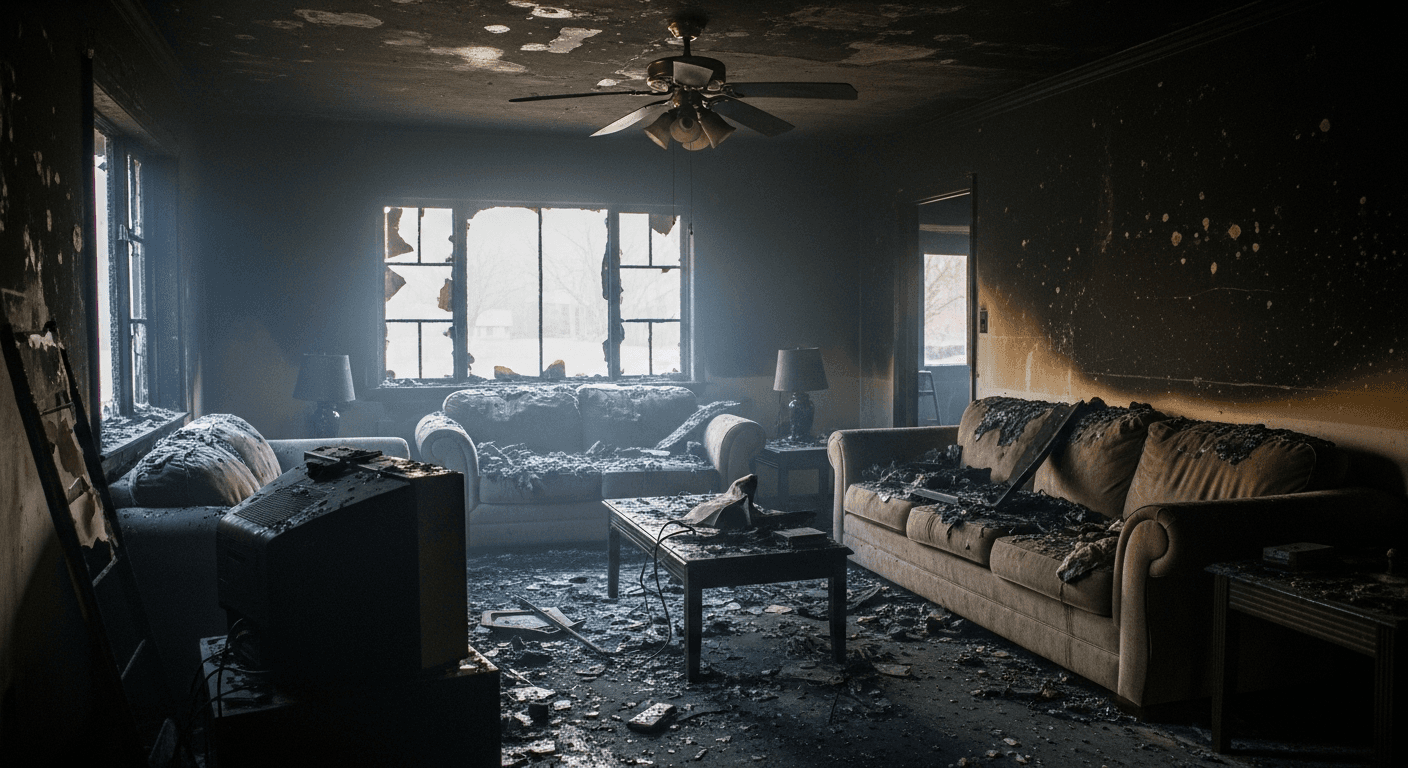
When most people picture fire damage, they picture flames and charred wood. But ask any IICRC Certified fire restoration technician and they'll tell you the same thing: in many house fires the most widespread and stubborn damage often isn't caused by the fire itself — it's caused by soot and smoke residue. Smoke travels far beyond the room where the fire started, settling on walls, ceilings, contents, and inside HVAC systems, where it continues to stain, corrode, etch, and stink for days, weeks, or even months after the fire is out.
Here's the part that surprises homeowners most: not all soot is the same. The type of soot left behind depends entirely on what burned and how hot it burned — and the type of soot dictates the entire cleanup strategy. Using the wrong cleaning method on the wrong soot can grind residue deeper into surfaces and turn a cleanable wall into one that has to be torn out and rebuilt. This guide breaks down the four main types of soot, the science of why they behave so differently, and how professional fire damage restoration turns a soot-covered disaster back into a home.
What Is Soot, Really? The Science of Smoke Residue
Soot is the fine black or brown powder produced by incomplete combustion — when a material burns without enough oxygen to fully convert it to carbon dioxide and water. What's left over is a cocktail of unburned carbon particles, oils, acids, and chemical compounds carried aloft in smoke. As that smoke cools and loses energy, the particles drop out and bond to whatever surface they touch.
Two factors determine what kind of soot you end up with:
- What burned — natural materials like wood and paper produce a very different residue than synthetics like plastics, foam, and vinyl, or than cooking oils and proteins.
- How hot and fast it burned — a fast, high-temperature fire creates dry, powdery soot, while a slow, smoldering, low-heat fire creates dense, greasy, smeary residue.
Because soot is mildly acidic, it doesn't just sit there looking ugly — it chemically attacks materials. Within hours it begins to yellow and etch, and within days it can permanently stain grout, pit metal and chrome fixtures, corrode electronics, and discolor countertops. That's why fire damage restoration is a race against time, not a project that can wait.
The Four Main Types of Soot — and Why the Difference Matters
Identifying the soot type is the first thing a trained technician does on a fire job, because it determines whether a surface gets dry-sponged, wet-cleaned with a specific solvent, sealed, or removed entirely. Here are the categories that matter.
1. Dry Soot (High-Heat, Fast-Burning Fires)
Dry soot comes from fast, oxygen-rich fires fueled by natural materials like wood and paper. These fires burn hot, so the residue is dry, fine, and powdery — almost like ash dust. The good news is that dry soot is the most forgiving type to clean. It tends to sit on top of surfaces rather than bonding into them, so technicians can often lift it with dry-cleaning sponges (chemical sponges), HEPA vacuuming, and dry-cleaning methods before any wet cleaning is needed.
The cardinal mistake homeowners make with dry soot is wiping it with a damp cloth. Water and standard cleaners turn the powder into a smear that bonds to the surface and drives staining deep into paint and porous materials — converting an easy cleanup into a repaint or a tear-out.
2. Wet Soot (Low-Heat, Smoldering Fires)
Wet soot is produced by slow, smoldering, oxygen-starved fires that burn synthetic materials — plastics, rubber, foam cushions, vinyl, and many modern furnishings. Because these fires burn cool and incompletely, the residue is thick, sticky, black, and smeary, with an extremely strong, pungent odor. Wet soot bonds aggressively to surfaces and is notoriously difficult to remove. It requires heavy-duty degreasing agents, specialized solvents, and careful technique to avoid spreading it further.
Smoldering fires also tend to produce a large volume of smoke relative to the size of the fire, which means wet-soot events frequently coat an entire home — including rooms far from the source — and saturate the HVAC system with greasy film.
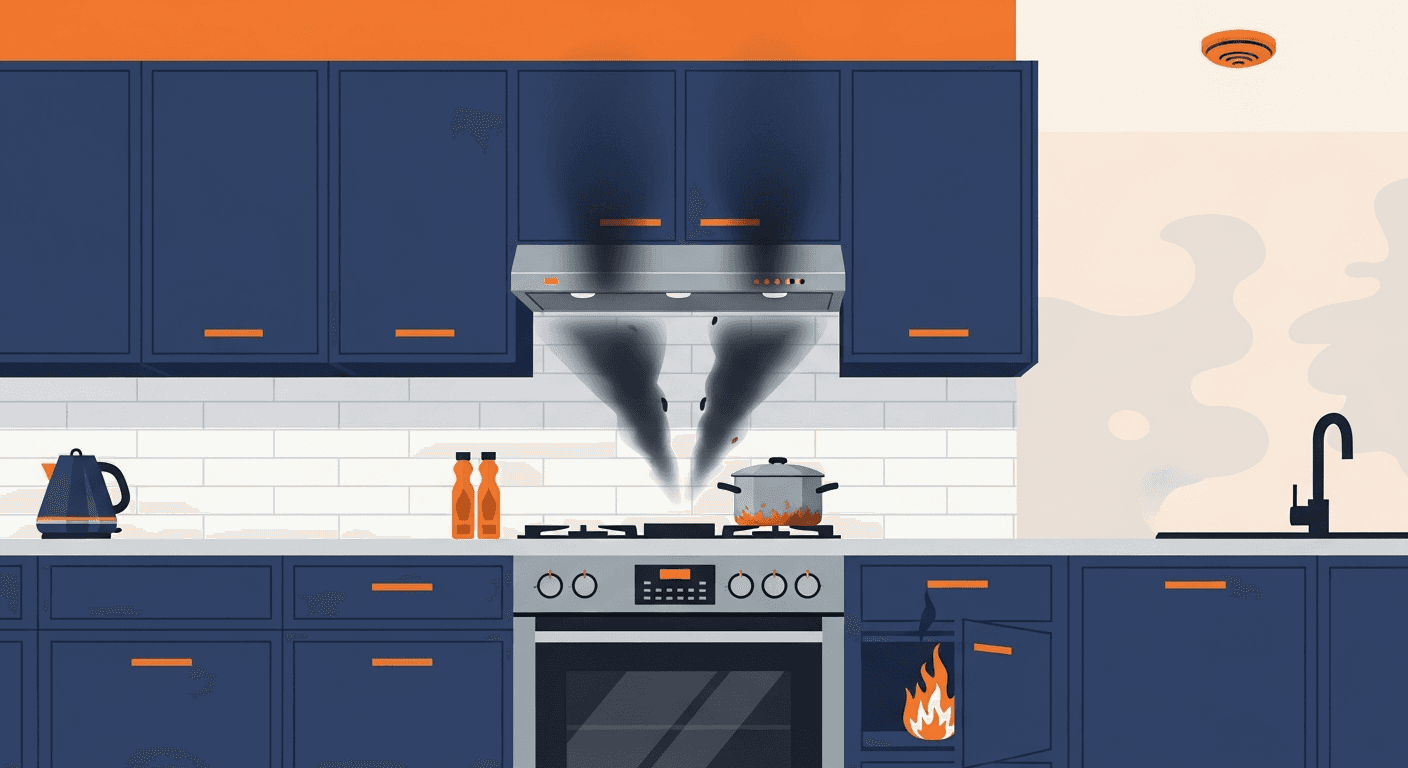
3. Protein Residue (Kitchen & Cooking Fires)
Protein residue is the sneakiest type of smoke damage, and it comes from burned food, grease, and cooking oils — most commonly a stovetop or oven fire. Unlike black soot, protein residue is often nearly invisible: a thin, yellowish-to-amber, greasy film that coats walls, cabinets, countertops, and appliances. Homeowners frequently assume a kitchen fire "wasn't that bad" because they don't see black staining — only to be overwhelmed by a powerful, rancid, lingering odor that gets worse over time.
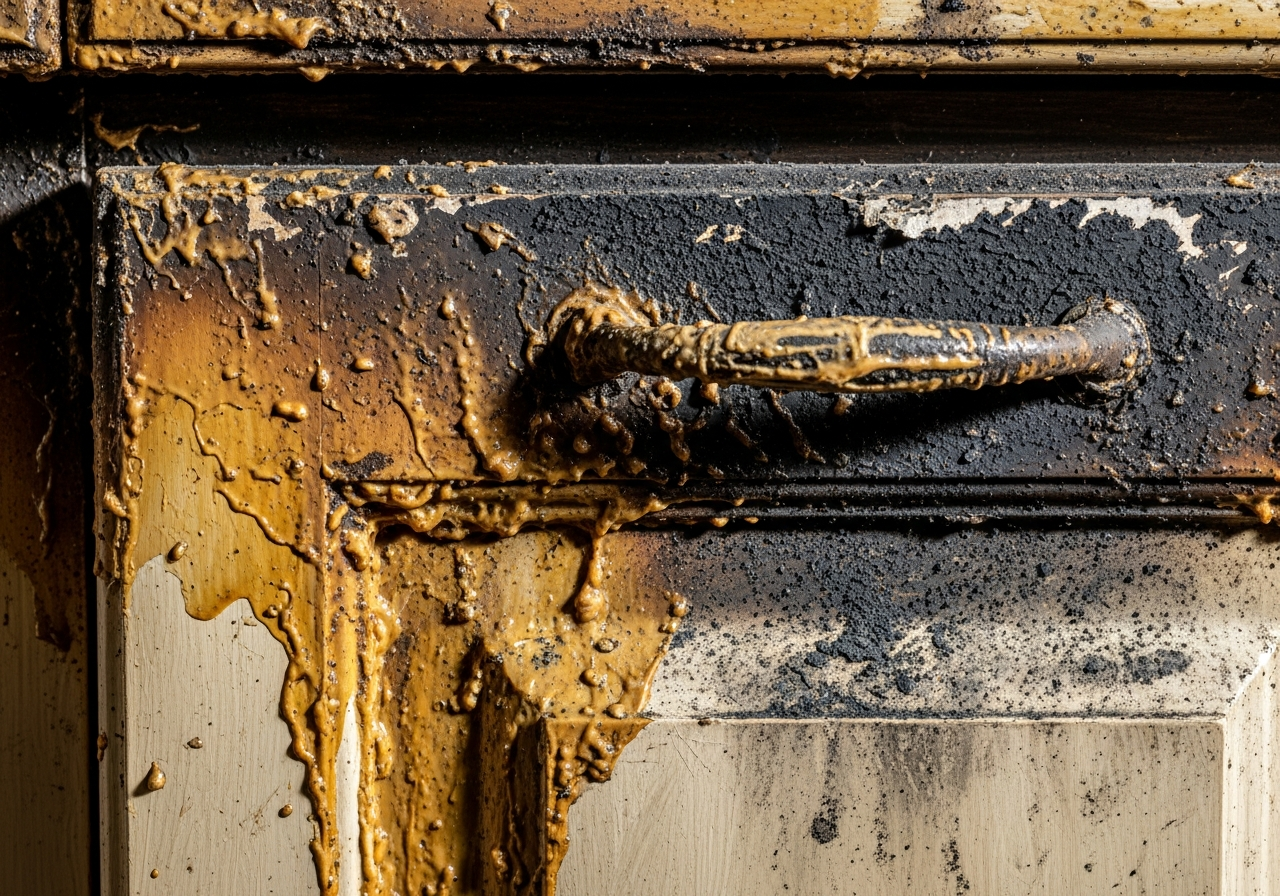
Protein residue is acidic, discolors varnished and painted surfaces, and clings to everything in the kitchen and adjoining rooms. It cannot be wiped away with household cleaners — the greasy film simply smears. Professional protein-fire cleanup requires enzyme-based and alkaline degreasing agents applied in the correct sequence, followed by dedicated odor neutralization. We dig deeper into the full emergency response in our complete fire damage restoration guide.
4. Fuel / Oil Soot (Furnace Puff-Backs & Petroleum Fires)
Fuel-oil soot, often called a "puff-back," comes from oil-burning furnaces and heating systems that misfire and blast atomized oil and soot through the ductwork and out of every register in the house. The result is a fine, black, greasy, petroleum-based film that spreads remarkably evenly across an entire home — frequently before the homeowner even realizes the furnace was the culprit. This soot is oily, sticky, and carries a strong fuel odor, and like wet soot it demands solvent-based cleaning and thorough HVAC decontamination.
A Note on Corrosion, Etching & "Fingerprint" Damage
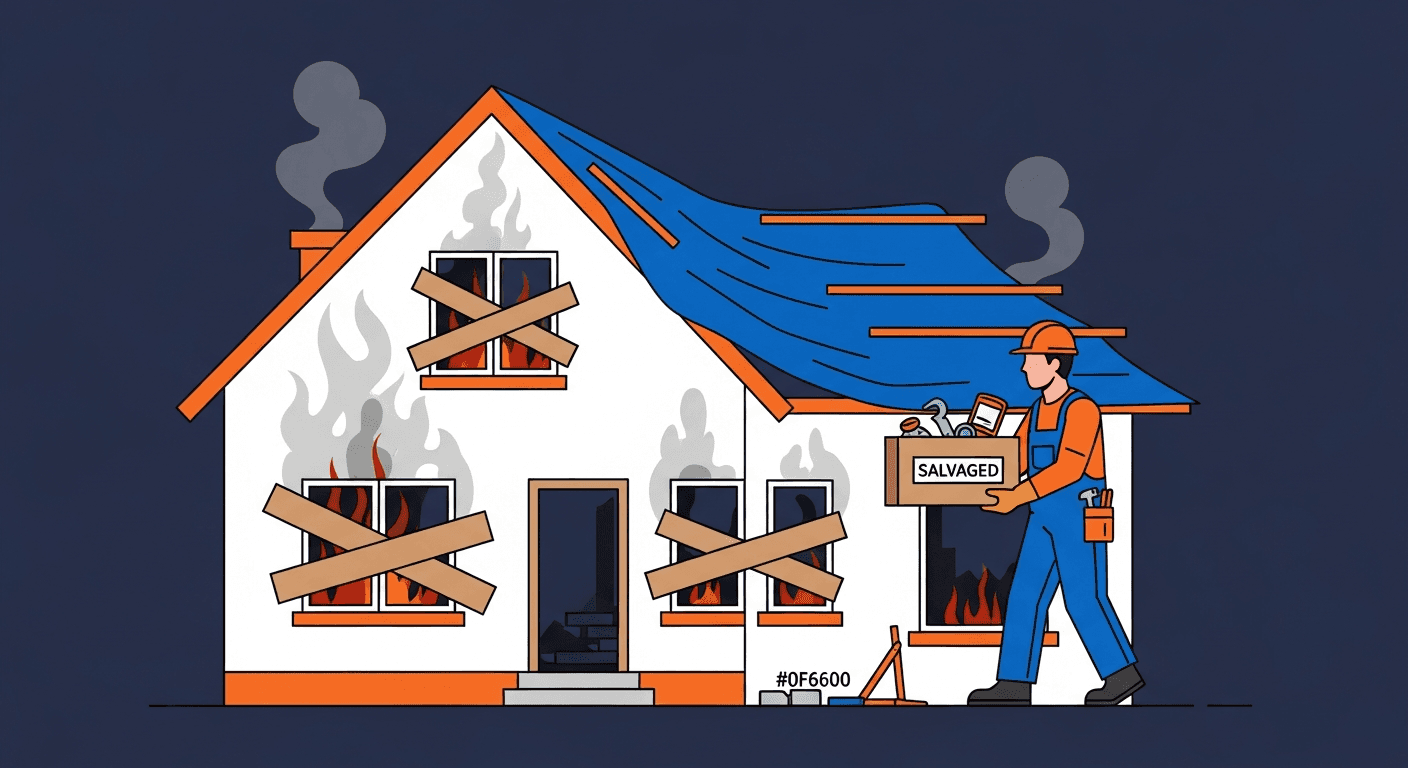
Regardless of type, soot is acidic and reactive. Left in place, it produces secondary damage that is often more expensive than the soot itself: permanent yellowing of plastics and walls, pitting and rust on metal hardware and appliances, etched and clouded glass and mirrors, tarnished chrome, and corroded electronics and wiring. This is exactly why professional crews prioritize emergency response and board-up and stabilization — getting the property secured and the corrosive residue neutralized quickly is what prevents a recoverable loss from becoming a total one.
Protein Fires: The Smoke Damage Most Homeowners Underestimate
Because protein-fire residue is so easy to overlook, it deserves special attention. A typical scenario: a pot is left on the burner, it scorches, smoke fills the kitchen, the homeowner airs the place out, wipes the visible spots, and assumes the problem is solved. Two weeks later the smell hasn't gone away — it's gotten worse, especially when the heat or humidity rises — and a hazy film has appeared on cabinet faces, the ceiling, and the refrigerator.
What happened is that the protein residue penetrated porous surfaces and bonded as a thin, acidic, fat-based layer that ordinary cleaning can't break down. Effective remediation means cleaning every affected surface — not just the visibly dirty ones — with the right degreasers, addressing the residue that traveled into adjacent rooms, and treating the odor at the molecular level rather than masking it. Skipping any of these steps is a common reason the smell comes back.
How Smoke and Soot Spread Through a Whole Home
One of the most misunderstood aspects of fire damage is how far smoke travels. Smoke follows airflow, seeks cooler surfaces, and exploits the natural convection currents in a building. It moves through wall cavities, up stairwells, into closets, and — critically — straight into the HVAC system, which can then redistribute soot to every room in the house. This is why a contained kitchen or bedroom fire so often results in smoke odor and residue on a completely different floor.
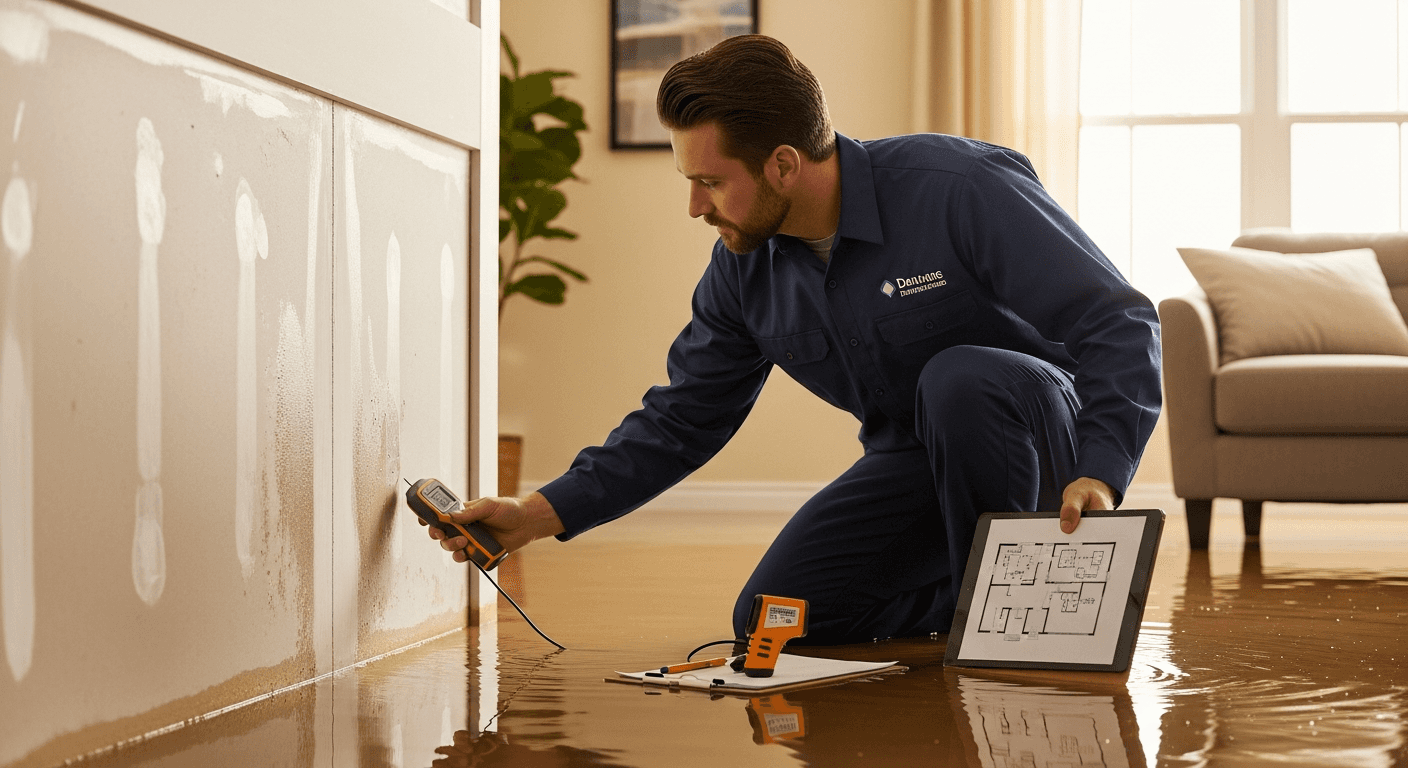
It's also why fire damage rarely travels alone. The water and chemicals used to extinguish the fire create their own problem: saturated drywall, flooring, and contents that, if not dried promptly, lead straight to water damage and, within 24 to 48 hours, mold growth. A proper fire restoration plan addresses smoke, soot, water, and mold risk together — not as separate afterthoughts.
Professional Smoke Damage Remediation: Matching the Method to the Soot
Once a property is safe and secured, professional smoke remediation follows a deliberate, soot-specific sequence. The goal is to remove residue completely without driving it deeper or spreading it to clean areas.
- Inspection & soot identification: Technicians determine the soot type(s) present, map how far the smoke traveled, and test surfaces to select cleaning methods that won't cause further damage.
- Dry cleaning first: Dry-cleaning sponges, HEPA vacuuming, and dry abrasives remove as much loose, dry soot as possible before any liquid touches the surface — the step homeowners most often get wrong.
- Targeted wet cleaning: Wet, protein, and fuel soot are addressed with the correct degreasers, solvents, and alkaline cleaners, applied and dwelled in the right sequence for each material.
- Contents cleaning: Salvageable belongings, textiles, and electronics are cleaned on site or packed out for specialized treatment such as ultrasonic cleaning.
- Corrosion control & HVAC decontamination: Metals and electronics are stabilized, and ductwork is cleaned so the system doesn't keep recirculating soot and odor.
- Air filtration: HEPA air scrubbers run throughout the project to capture airborne soot and smoke particulates.
If structural materials are too saturated to dry or too damaged to restore, they're documented and removed in coordination with the rebuild plan — which brings us to odor and reconstruction.
Smoke Odor Removal: Neutralizing, Not Masking
Cleaning the soot you can see is only half the job. Smoke odor comes from microscopic particles that lodge in porous materials and in the air itself, so air fresheners and scented sprays only paper over the problem — the smell returns the moment they wear off, and intensifies with heat and humidity. Genuine odor elimination neutralizes the source.
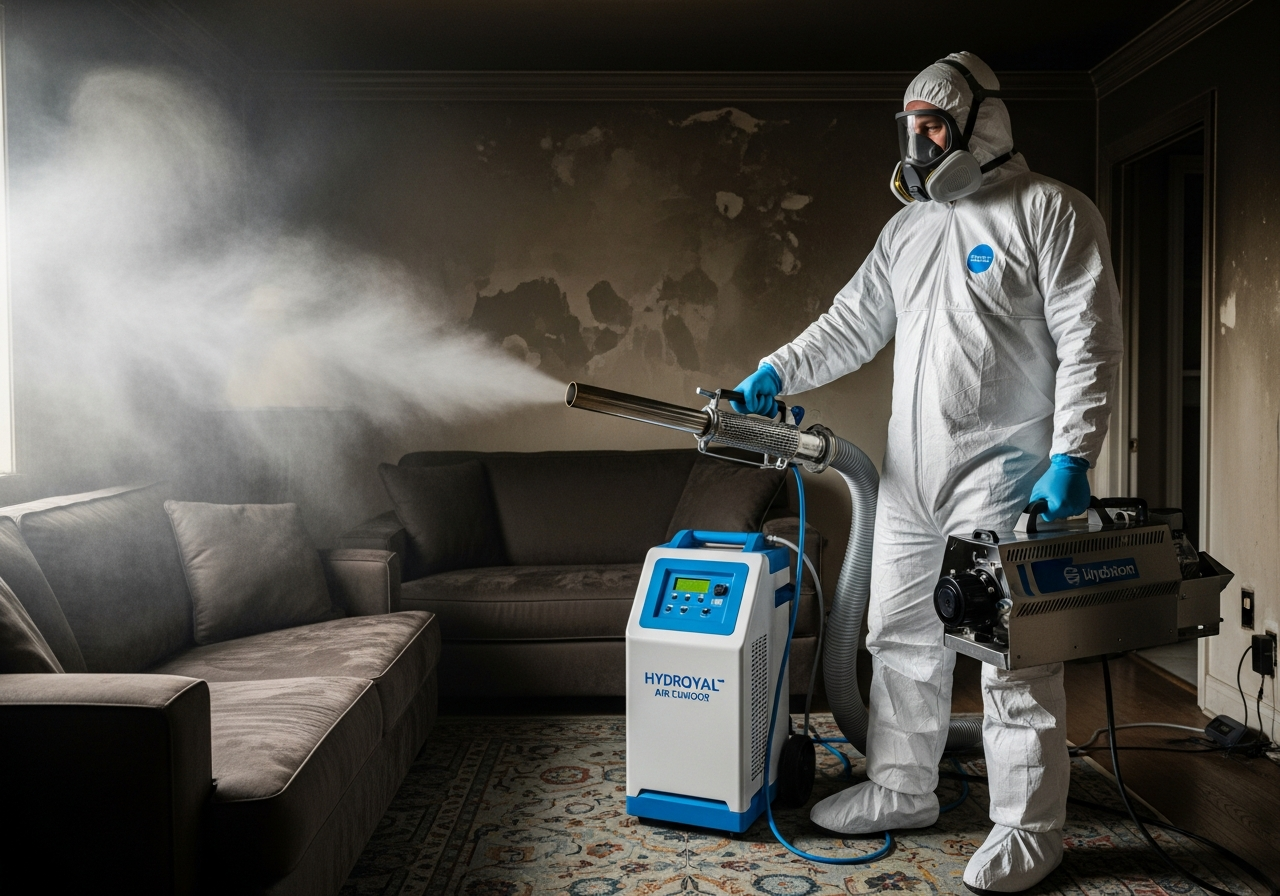
Professional smoke odor removal combines several tools, matched to the severity of the residue:
- Thermal fogging recreates the conditions of the fire with a heated deodorizing fog that penetrates the same cracks, pores, and cavities the smoke did, neutralizing trapped odor where it actually lives.
- Hydroxyl generators safely break down odor molecules and are gentle enough to run in occupied spaces and around sensitive contents.
- Ozone treatment is used in unoccupied areas for severe odor, oxidizing smoke compounds the cleaning couldn't reach.
- Sealing of structural surfaces locks down any residual odor before primer and paint go back on during reconstruction.
The reason DIY odor "fixes" fail is that they skip the cleaning and air-treatment steps and jump straight to masking. If the soot and the porous, odor-holding materials aren't properly addressed first, no amount of fogging or sealing will hold.
Fire Damage Reconstruction: Rebuilding What Can't Be Saved
Some materials simply can't be restored — heavily charred framing, saturated drywall and insulation, melted fixtures, and flooring beyond cleaning. Once cleaning and deodorization are complete, fire damage reconstruction rebuilds those elements and returns the home to its pre-loss condition. Working with a company that handles both the cleanup and the rebuild means a single, accountable point of contact and a seamless handoff between the two phases.
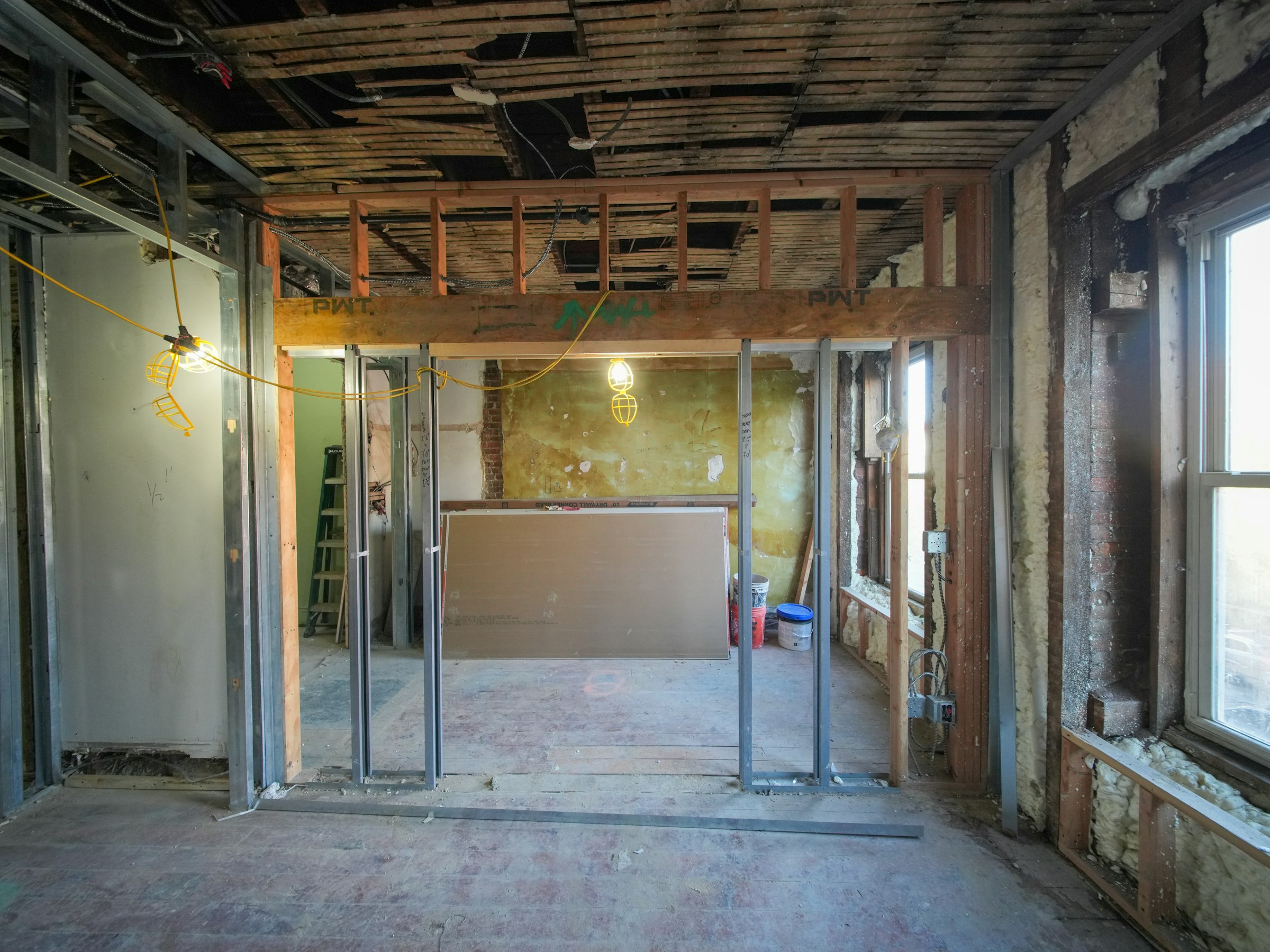
Typical reconstruction scope includes structural framing repair, new drywall and insulation, flooring, painting and trim, cabinetry, and finish work — all sequenced after odor sealing so the smell never returns through fresh materials. Handling cleanup and rebuild under one roof also keeps your insurance documentation consistent from the first soot reading to the final walkthrough.
Why DIY Soot and Smoke Cleanup Usually Backfires
It's tempting to grab a sponge and a bottle of cleaner after a small fire, but soot punishes guesswork. The most common — and most costly — mistakes include wiping dry soot with water and smearing it permanently into walls, using the wrong cleaner on protein or wet soot and bonding it deeper, neglecting the HVAC system so soot keeps recirculating, and masking odor instead of neutralizing it. Each of these can turn a cleanable surface into one that must be replaced, and can quietly extend the corrosive, etching damage that soot causes by the hour.
Professional restoration isn't just about elbow grease — it's about correctly identifying the soot, sequencing the right methods, controlling corrosion and odor, and documenting everything for your insurance claim. Read the full process in our step-by-step fire damage restoration guide.
Serving Greater Philadelphia & South Jersey, 24/7
Bulldog Cleaning & Restoration provides 24/7 emergency fire, soot, and smoke damage restoration across Greater Philadelphia and South Jersey — including Bensalem, PA, South Philadelphia, PA, Cherry Hill, NJ, and Burlington Township, NJ, plus surrounding Bucks, Montgomery, Camden, and Burlington county communities. Our IICRC Certified technicians handle emergency board-up, soot and smoke cleanup, odor removal, and full reconstruction from the first call to the final repair.
If you're dealing with soot, smoke, or fire damage, don't wait for the acidic residue to set — every hour counts. Call our Pennsylvania line at (267) 982-5504, our New Jersey line at (609) 952-0142, or request emergency service online.