
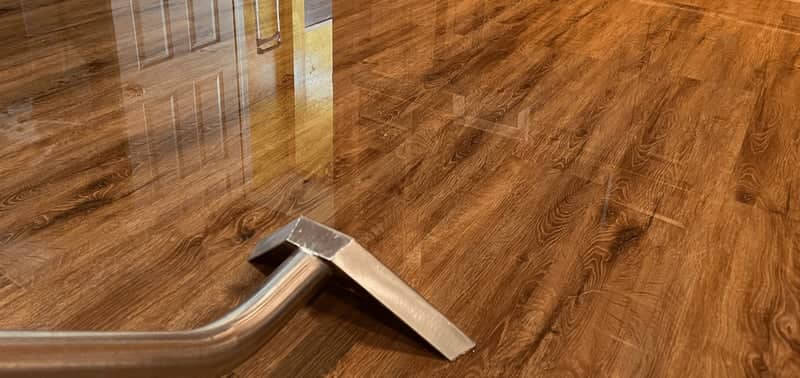
Water Damage Cleanup & Restoration
From burst pipes to basement floods — our IICRC-certified team typically responds within 60 minutes. Professional extraction, structural drying, and complete restoration.
Water Damage Restoration Near You
We serve communities across Greater Philadelphia and South Jersey. Find water damage restoration in your area:
Our Restoration Process
Emergency Assessment
Our team typically arrives within 60 minutes for a thorough moisture assessment using professional equipment.
Water Extraction
Industrial pumps and vacuums remove standing water quickly to reduce the risk of further damage and mold growth.
Structural Drying
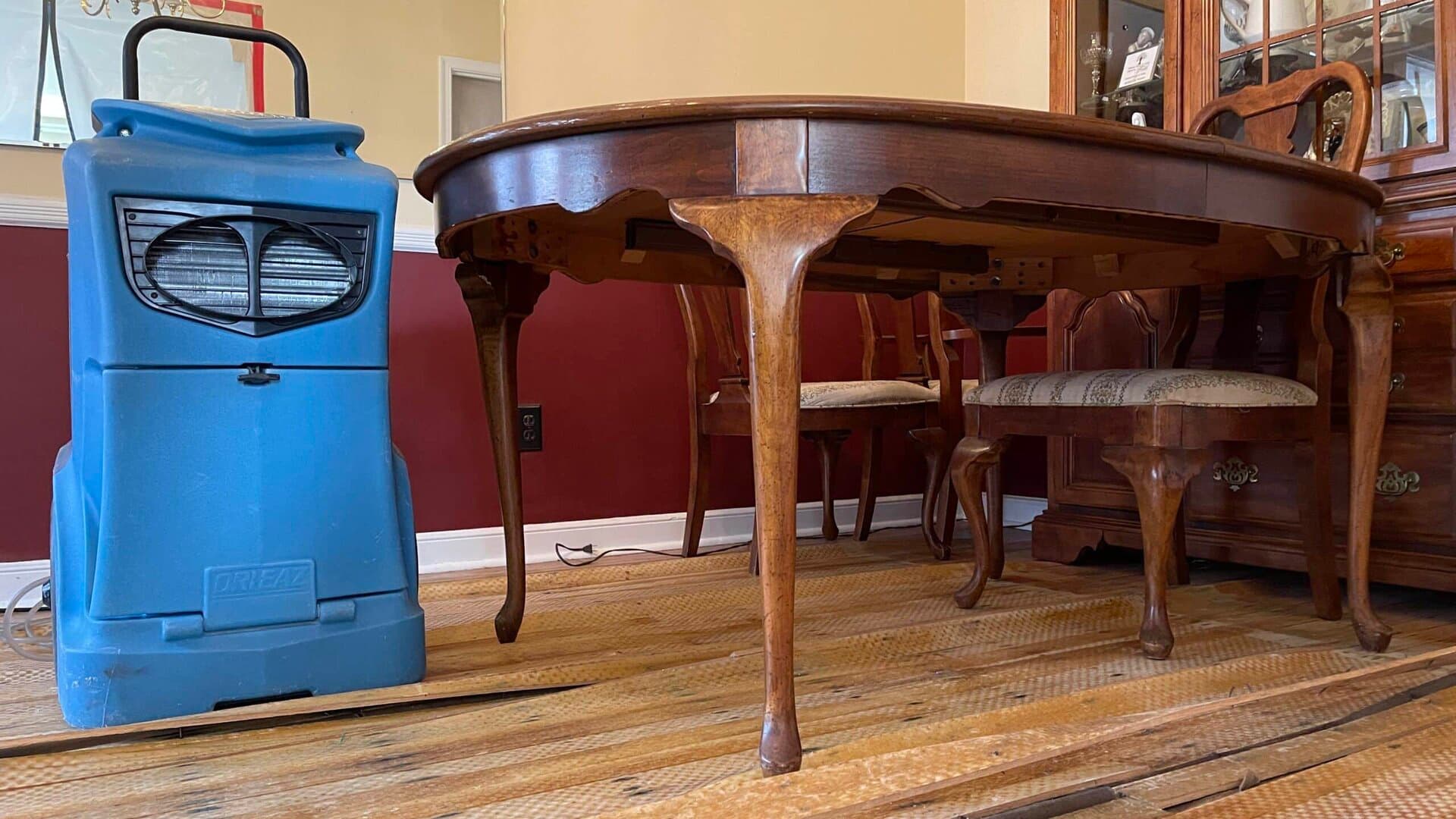
Strategic placement of air movers and dehumidifiers accelerates the drying process.
Monitoring
Daily moisture readings ensure complete drying before any restoration work begins.
Restoration
Repair and restore affected materials to pre-loss condition, documenting everything to insurance-industry standards.
Understanding Water Damage Categories
Not all water damage is the same. The IICRC classifies water damage into three categories that determine the appropriate restoration approach.
Clean Water
From clean sources like broken water supply lines, toilet tanks, or rainwater. Safest to handle but still requires professional drying.
Grey Water
Contains contaminants from dishwashers, washing machines, or toilet overflow without feces. Requires protective equipment.
Black Water
Highly contaminated water from sewage, flooding, or standing water. Requires specialized protective gear and disposal protocols.
The First 24–48 Hours: Why Speed Matters
Water damage gets worse — and more expensive — by the hour. Within minutes, water spreads into floors, walls, and furniture. Within 24–48 hours, drywall can swell, mold can begin to grow, and structural materials can start to warp. Acting fast isn't just about saving your belongings; it's about preventing a small leak from becoming a full reconstruction project. That's why our IICRC-certified team typically responds within 60 minutes, around the clock.
Where Water Damage Hides
The damage you can see is rarely the whole story. Water travels and hides in places that lead to mold and rot if missed.
- Behind walls — moisture wicks up drywall long before stains appear
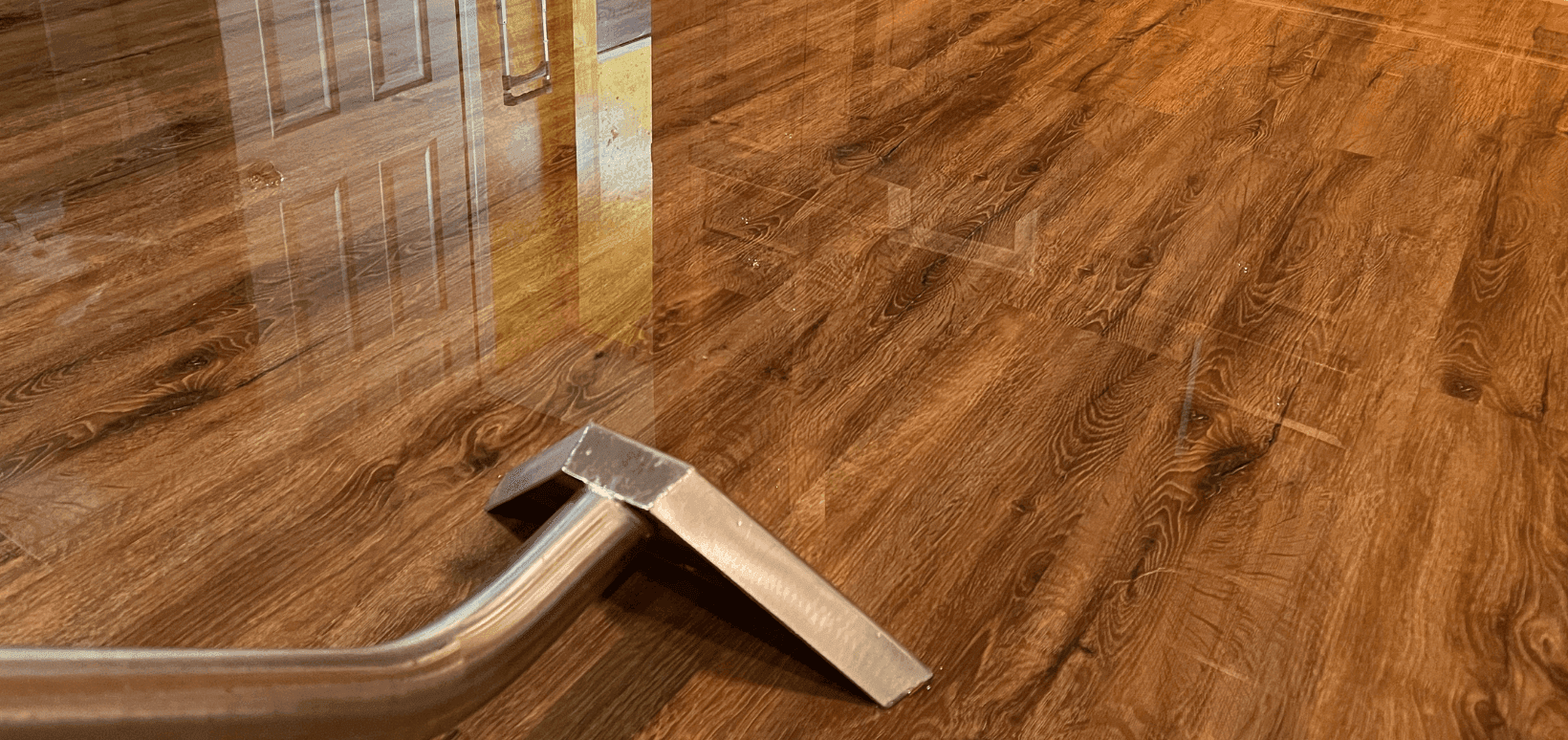
- Under flooring — water seeps beneath hardwood, tile, and into the subfloor
- Inside cabinets — trapped moisture warps wood and breeds mold
- In insulation — soaked insulation loses its R-value and holds water
- Crawlspaces & basements — the lowest points collect water you can't see
- HVAC systems — ductwork spreads moisture and spores through the home
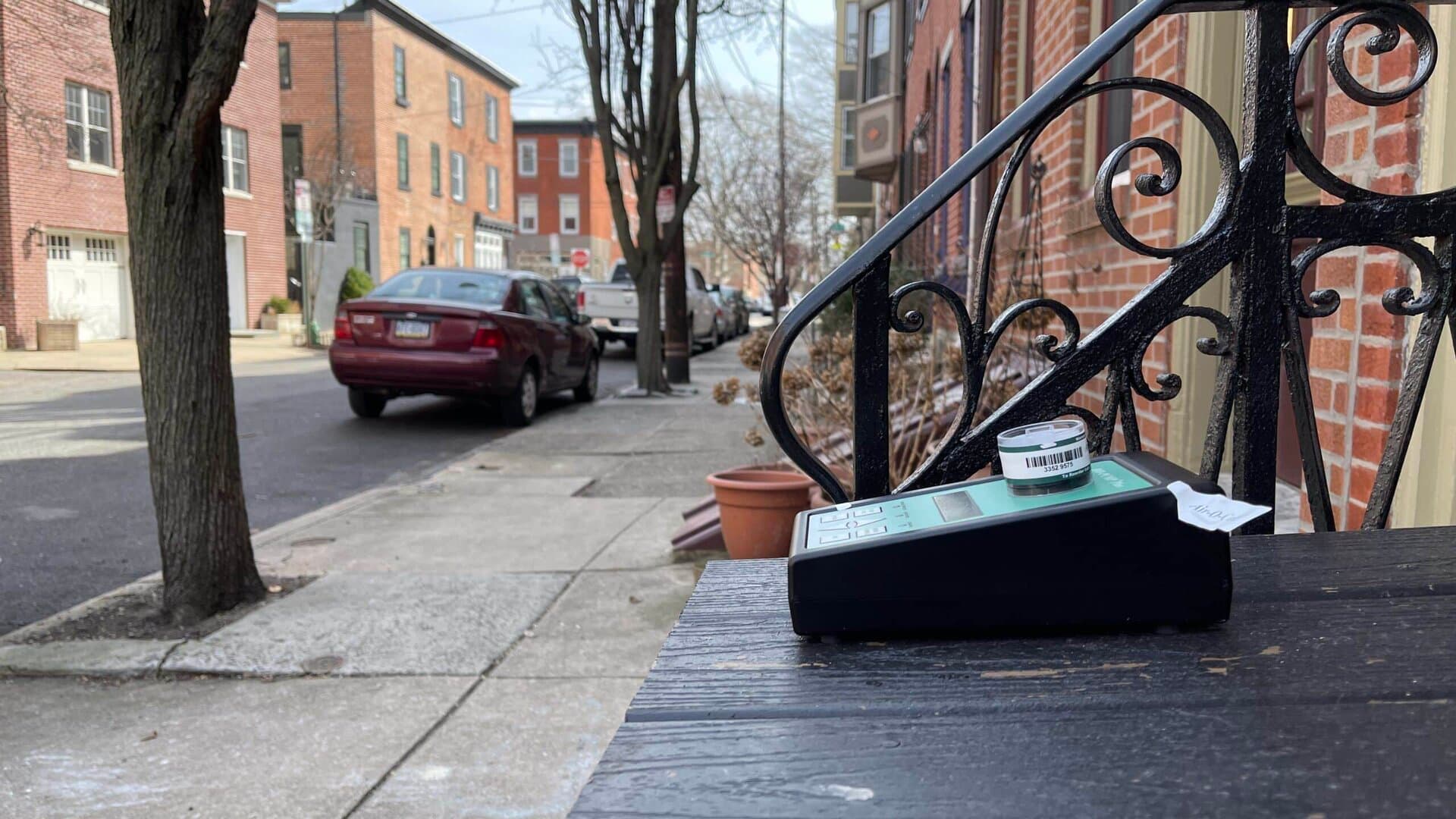
We use moisture meters and thermal imaging to find every pocket of hidden water — not just what's visible.
Common Causes of Water Damage
Water damage rarely announces itself. Knowing the usual culprits helps you catch a problem before it spreads.
- Burst or frozen pipes
- Failed water heaters, washing machines & dishwashers
- Roof and window leaks
- Sewer or drain backups
- Sump pump failure during heavy rain
- Foundation and basement seepage
- Overflowing tubs, sinks & toilets
- Clogged AC condensation lines
The Health Risks of Standing Water
Water damage isn't only a threat to your property — left untreated, it becomes a threat to your health. The faster it's removed, the lower the risk to everyone in the home.
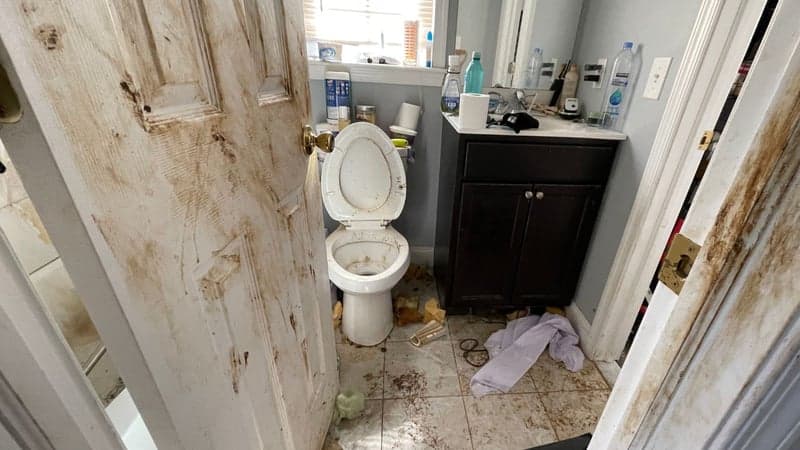
Contaminated water
Not all water is clean. Grey and black water from appliances, sewage, or flooding carries bacteria, viruses, and chemicals that can cause serious illness. The longer it sits, the more it contaminates everything it touches — which is why category matters and why DIY cleanup is risky.
Mold risk within 24–48 hours
Damp drywall, carpet, and insulation can become a mold breeding ground in as little as a day or two. Mold spores can trigger allergies, asthma, and respiratory problems — turning a water problem into an air-quality problem.
Who's most at risk
Infants, the elderly, pregnant women, and anyone with asthma, allergies, or a weakened immune system are most vulnerable to contaminated water and post-flood mold. Professional extraction and drying protects the people in the home, not just the structure.
Why DIY Drying Falls Short
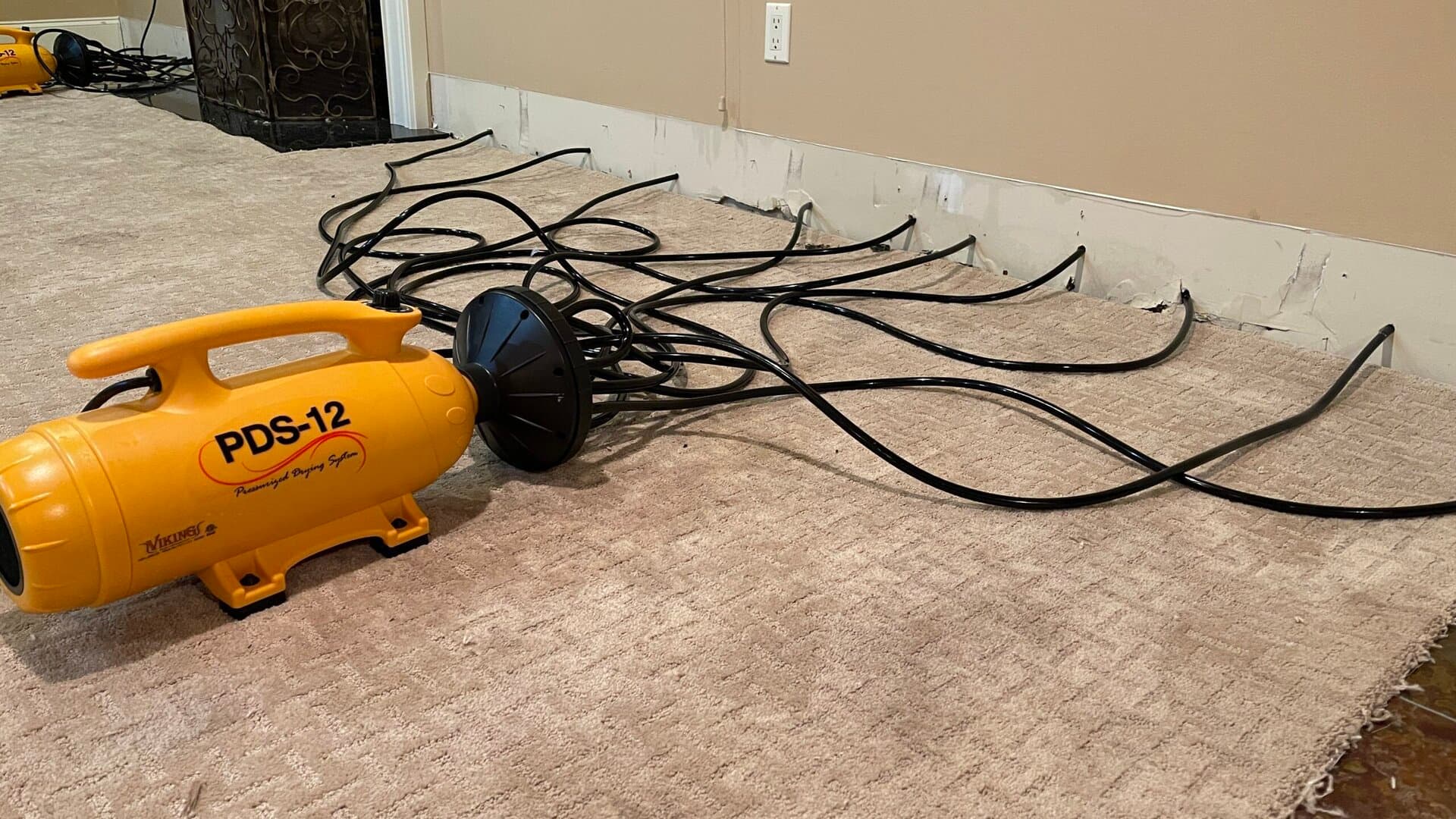
A shop vac and a couple of box fans can dry the surface — but water damage isn't a surface problem. Moisture wicks into wall cavities, subfloors, and insulation where household fans never reach, and “dry to the touch” is not the same as dry. Trapped moisture is exactly what feeds mold and rots framing weeks later.
Every Bulldog® job follows the IICRC S500 standard: we map the full moisture footprint with meters and thermal imaging, dry to a documented target with commercial air movers and dehumidifiers, and verify it with daily readings — so it's actually dry, not just dry-looking.
Frequently Asked Questions
How long does water damage restoration take?
Most water damage restoration projects take 3-5 days for drying, plus additional time for repairs. The timeline depends on the extent of the damage, materials affected, and local humidity levels. We provide daily updates throughout the process.
Will my insurance cover water damage restoration?
Most homeowner's insurance policies cover sudden and accidental water damage. We document everything to insurance-industry standards for your claim file. Flood damage typically requires separate flood insurance.
What should I do immediately after water damage?
First, ensure safety — turn off electricity if water is near outlets. Then call us immediately at (267) 982-5504. Don't use regular household fans, as they can spread contamination. Avoid walking on wet carpet if possible.
Can you prevent mold after water damage?
Yes, proper and rapid water extraction and drying is the most effective way to reduce the risk of mold growth. Mold can begin growing within 24-48 hours. Our rapid response and professional drying equipment significantly reduces mold risk.
Do you handle Category 3 (black water) and sewage backups?
Yes. We are IICRC-certified for Category 3 water losses including sewage and flood water. Our crews use full PPE, EPA-registered antimicrobials, and containment protocols to safely extract, sanitize, and dispose of contaminated materials per industry standards.
How much does water damage restoration cost in Philadelphia?
Costs vary widely based on the water category, area affected, and materials damaged — most residential jobs in the Greater Philadelphia area fall between $2,500 and $12,000. Insurance typically covers sudden, accidental losses. We provide an in-depth consultation and document everything to insurance-industry standards for your claim file.
Do you provide 24/7 emergency response?
Yes. We dispatch IICRC-certified crews 24 hours a day, 7 days a week, including holidays. We target a response time of 60 minutes or less across Bucks, Montgomery, Philadelphia, and Burlington counties from your initial call.
Will I need to replace my drywall and flooring?
Not always. Drywall that is only damp at the base can often be dried in place, while saturated, swollen, or contaminated drywall is removed. Hardwood floors can sometimes be saved with specialized drying mats if we reach them quickly — the sooner we start, the more we can save.
Do I need to leave my home during water damage restoration?
Most clean-water jobs let you stay in your home. For Category 3 (sewage or flood) losses, or when a large area is affected, we may recommend staying elsewhere during extraction and drying for safety. We will tell you honestly which applies to your situation.
Water Damage Restoration by Location
Bensalem
PA
Abington
PA
Jenkintown
PA
Cheltenham
PA
Willow Grove
PA
Doylestown
PA
Feasterville-Trevose
PA
South Philadelphia
PA
Richboro
PA
Huntingdon Valley
PA
Warrington
PA
Jamison
PA
Chalfont
PA
Warwick Township
PA
Warminster
PA
Cherry Hill
NJ
Maple Shade
NJ
Cinnaminson
NJ
Mount Holly
NJ
Bordentown
NJ
Burlington Township
NJ
Hamilton Township
NJ
Voorhees Township
NJ
Langhorne
PA
Hatboro
PA
Horsham
PA
Center City
PA
Society Hill
PA
Northeast Philadelphia
PA
Related Restoration Services
Water Damage? Call Now for 60-Min Response
Every minute water damage is untreated, your costs increase. Our IICRC-certified team responds fast to minimize damage and begin restoration immediately.
Average response time: 47 minutes • Available 24/7/365