The First Call: Water Damage Response and Claim Documentation
What happens after your water damage emergency call — the inspection tools we use, the documentation we collect to support your insurance claim, and how our client portal keeps everything transparent and organized in one place.
When water is spreading through your home or business, the first phone call you make can shape everything that follows — how much damage the property sustains, how long the restoration takes, and how smoothly your insurance claim moves. Here's a look behind the scenes at what happens when you call Bulldog Cleaning & Restoration for a water damage emergency, and why the documentation we collect in the first hours matters so much.
The Emergency Service Call: What Happens First
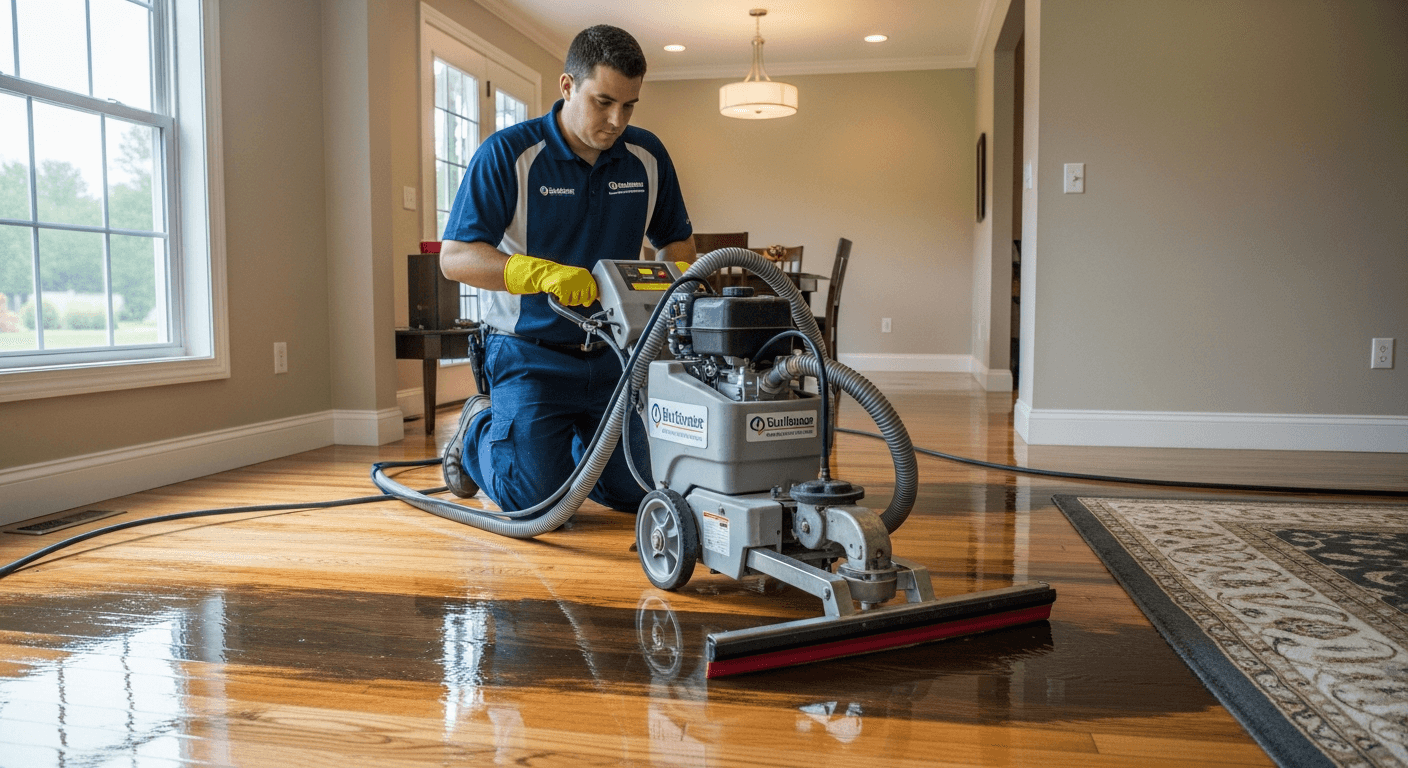
Water damage doesn't wait, and neither do we. When you call, we gather the essentials fast — what happened, where the water is coming from, whether it has been stopped, and what areas are affected. From there, a crew is dispatched to your property, typically within about an hour across our Pennsylvania and South Jersey service areas.
Speed matters more in water losses than almost any other type of damage. Drywall can begin absorbing water within minutes, and within 24 to 48 hours, materials that could have been dried in place may need to be removed instead — and prolonged moisture can create the conditions where mold growth can begin. A fast response can significantly reduce the total damage, which in turn shortens the time it takes to bring your property back to pre-loss condition. Fewer materials removed means less reconstruction, a smaller claim, and a faster return to normal life.
Documenting the Loss: Setting Your Claim Up for Success
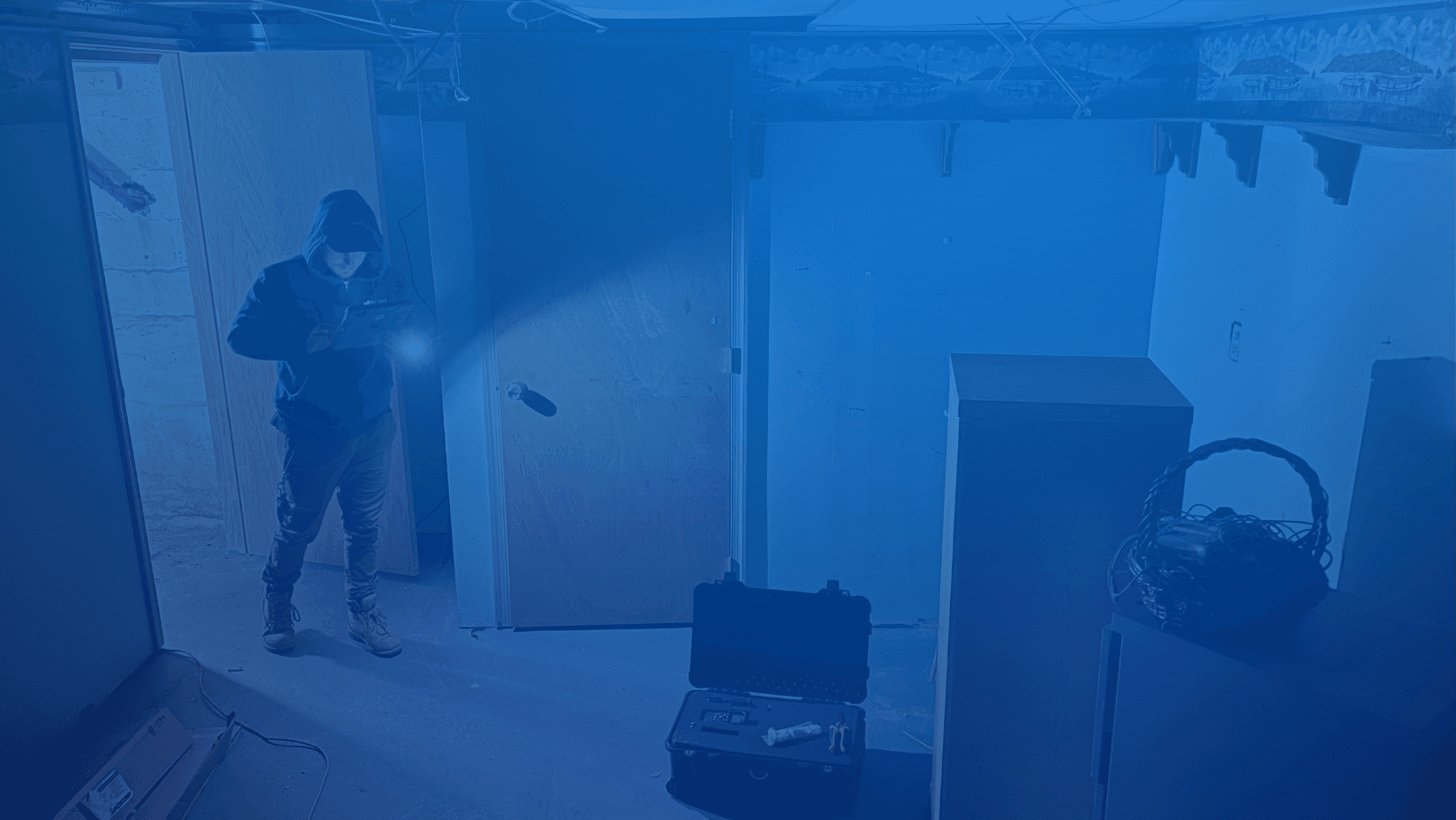
The moment our crew arrives, documentation begins. This is one of the most overlooked parts of water damage restoration — and one of the most important. A well-documented loss gives your insurance carrier a clear, verifiable picture of what happened, which can help your claim move forward with fewer questions and delays. Here's what we collect on every water loss:
Property Sketch
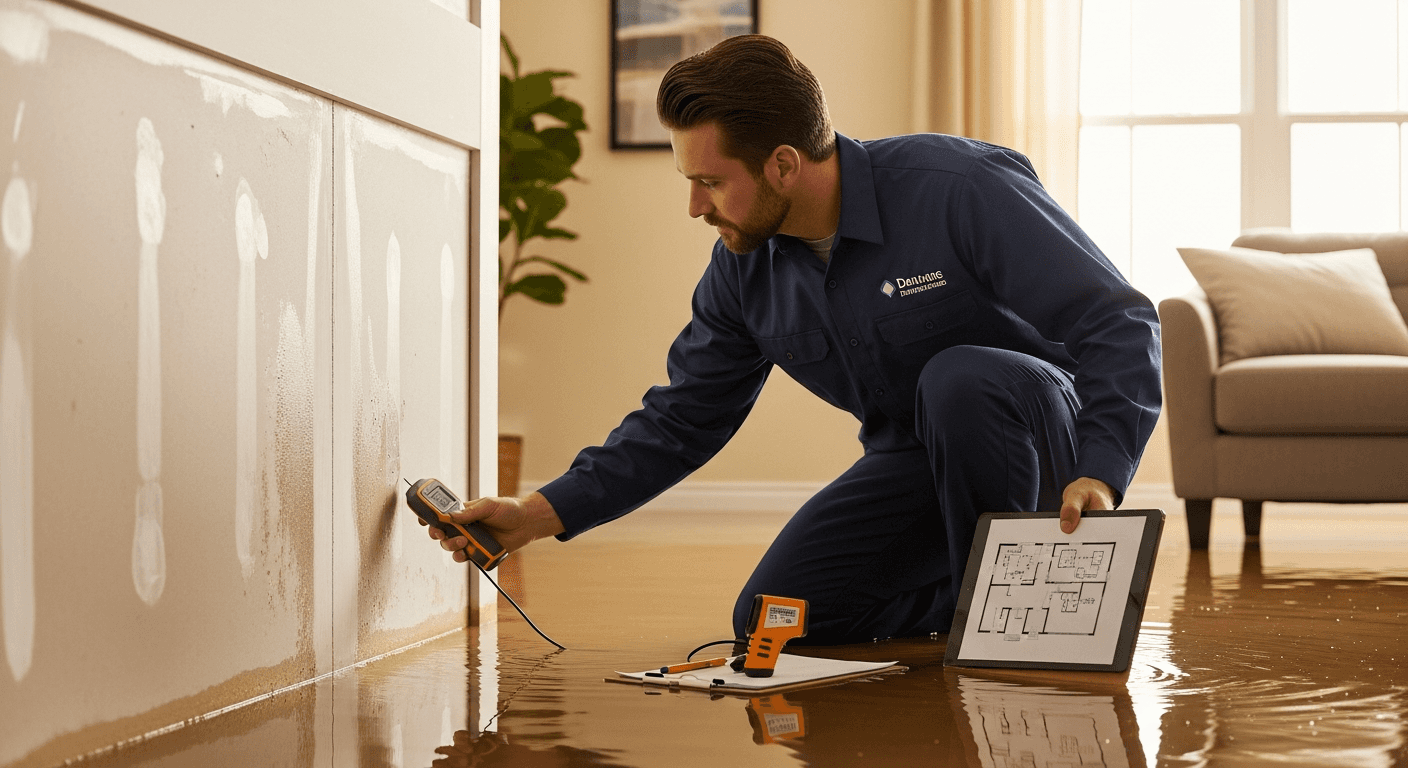
We create a detailed sketch of the affected areas of your property — room dimensions, layouts, and the location of the water source. This becomes the foundation for the entire project: it's how affected square footage is calculated, how drying equipment is planned, and how the scope of work is communicated to your insurance carrier.
Moisture Map
Using the property sketch as a base, we map exactly where moisture has traveled — often far beyond what's visible. Water wicks up walls, travels under flooring, and migrates into adjacent rooms. The moisture map shows the true footprint of the loss, so nothing gets missed and nothing gets overstated.
Moisture Readings
We take moisture readings from affected walls, floors, and structural materials, plus reference readings from unaffected areas of the same materials. These readings establish a drying goal and are logged daily throughout the project — objective proof of where the job started and verification of when materials are actually dry, rather than just dry to the touch.
Psychrometric Readings
Structural drying is a science. We record temperature, relative humidity, and dew point readings in the affected areas, outside, and in unaffected parts of the building. These psychrometric readings tell us whether the drying environment is working — whether the air can actually hold the moisture we're pulling out of your walls and floors — and they document that the drying process followed industry standards from start to finish.
The Inspection Tools We Use
Accurate documentation depends on the right instruments. On a typical water loss, our technicians work with:
- Pin-type moisture meters — probes that measure moisture content inside drywall, wood framing, and baseboards, telling us how deep the water has penetrated.
- Pinless (non-invasive) moisture meters — scanners that sweep across walls and floors to find elevated moisture without leaving marks, ideal for mapping the spread quickly.
- Thermo-hygrometers — the instruments behind our psychrometric readings, measuring temperature and relative humidity to confirm the drying environment is performing.
- Thermal imaging cameras — infrared cameras that reveal temperature differences caused by evaporating moisture, helping us spot water hiding behind walls, above ceilings, and under floors that would otherwise go undetected.
Together, these tools take the guesswork out of water damage. We don't estimate where the water went — we measure it, map it, and document it.
Transparency: Your Client Portal
Restoration projects involve a lot of moving pieces — photos, sketches, readings, agreements, and communication with your insurance carrier. We believe you should be able to see all of it. That's why every Bulldog customer gets access to a client portal that keeps the entire project organized in one place.
Through the portal, you can:
- Upload your own information, files, photos, and videos related to the loss
- View our documentation — job photos, sketches, moisture maps, and files — as the project progresses
- Sign agreements and authorizations online, no printing or scanning required
- Message our team directly with questions at any point in the project
No chasing paperwork, no wondering what's happening at your property. Everything lives in one organized location that you can check any time, from any device.
Water Damage? Make the Call That Matters
The first hours after a water loss are the ones you can't get back. A fast, well-documented response can reduce the damage, support your insurance claim, and shorten the road back to pre-loss condition — and it starts with one phone call.
Bulldog Cleaning & Restoration responds 24/7 across Bucks County, Philadelphia, Montgomery County, and South Jersey. Call us in Pennsylvania at (267) 982-5504 or in New Jersey at (609) 952-0142, learn more about our water damage restoration services, or contact us online — and if you're navigating an insurance claim, we'll provide the documentation and claim support to help the process go as smoothly as possible.