A Tree Fell on Your House: What to Do First (and What to Avoid)
A fallen tree can breach your roof in seconds and expose your home to water and structural damage. Here's the safe, step-by-step response Philadelphia-area homeowners should follow — and the mistakes that make a bad situation worse.
The First Hour Matters Most
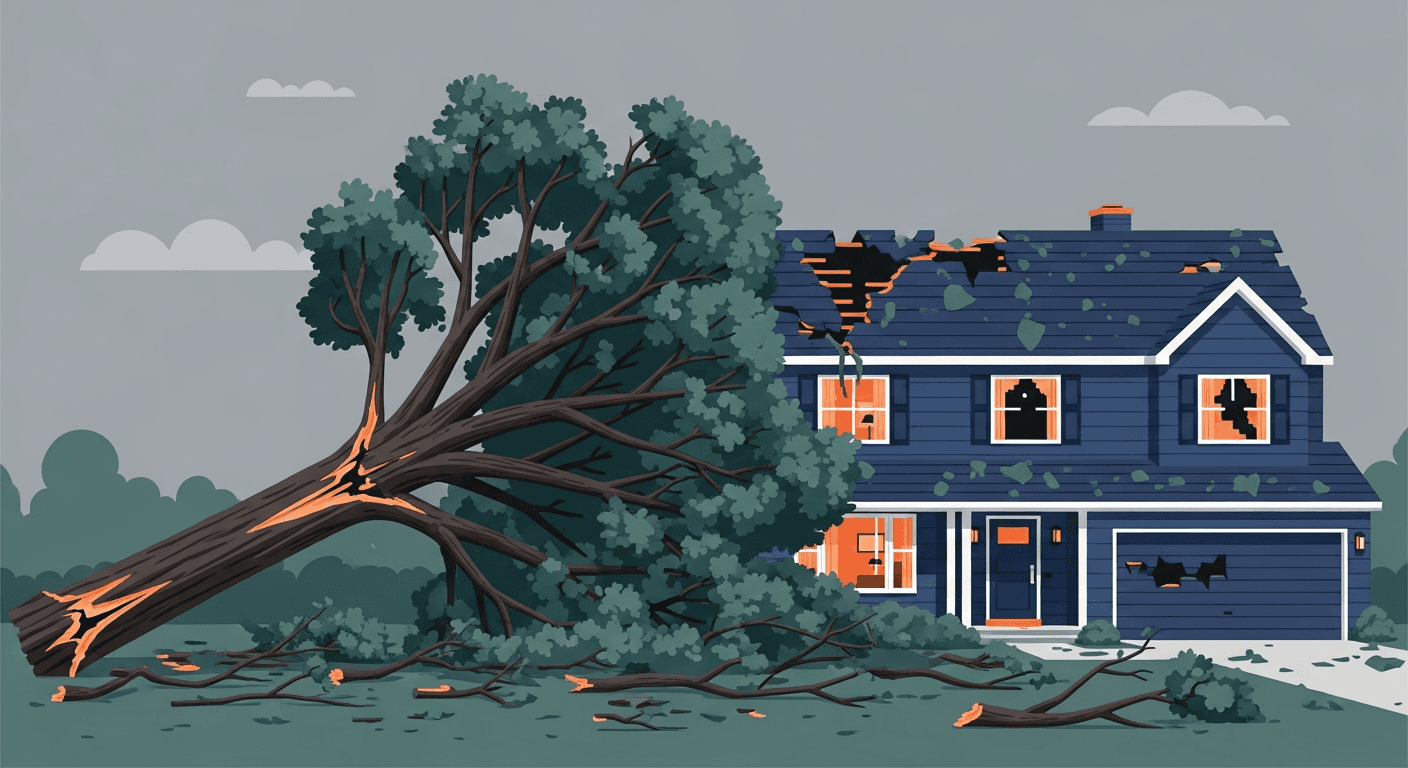
High winds, saturated soil, and aging trees are a dangerous combination across Greater Philadelphia and South Jersey — and every storm season, homeowners wake up to a tree limb (or an entire trunk) resting on their roof. A fallen tree is frightening, but the steps you take in the first hour largely determine how much secondary damage your home suffers. This guide walks you through exactly what to do, in order, and the common mistakes that turn a contained problem into a costly one.
Step 1: Get Everyone Out and Stay Out
If a tree has struck your home, treat the structure as unsafe until a professional confirms otherwise. Calmly evacuate everyone — including pets — through an exit away from the impact area. A tree heavy enough to breach a roof can compromise framing, ceilings, and load-bearing walls, and additional collapse can happen without warning, especially if wind is still gusting.
- Do not go back inside to retrieve belongings until the structure is cleared
- Keep well clear of the tree itself — a partially fallen tree can shift suddenly
- If you smell gas or hear hissing, leave immediately and call your utility from a safe distance
Step 2: Watch for Downed Power Lines
Falling trees frequently take power lines down with them. Assume every downed or sagging line is live and deadly. Stay at least 35 feet away, keep others back, and never touch the tree if it's in contact with a line — electricity can travel through the trunk and even through wet ground. Call 911 and your utility company to report the hazard before anyone approaches the area.
Step 3: Call for Emergency Help
Once everyone is safe, call Bulldog Cleaning & Restoration at (267) 982-5504. Our crews provide 24/7 emergency response across the Philadelphia metro, and storm impacts like this are exactly what storm damage restoration exists for. Rapid response matters because a breached roof is an open door for rain — and the water damage that follows often causes more long-term harm than the impact itself.
If a licensed arborist or your municipality needs to remove the tree, we coordinate around that work so your home is protected the moment the tree is clear.
Step 4: Protect the Opening with Emergency Board-Up and Tarping
The single most important mitigation step after a tree strike is sealing the breach. Until the roof or wall opening is covered, every hour of rain pushes water deeper into insulation, drywall, and framing — and within 24 to 48 hours, that lingering moisture can begin to support mold growth. Professional emergency board-up and tarping closes the opening safely, even on a steep or damaged roof, and demonstrates to your insurer that you mitigated further loss as your policy requires.
This is also a safety issue: a properly secured opening keeps wind, debris, and animals out and prevents a partially damaged section from worsening.
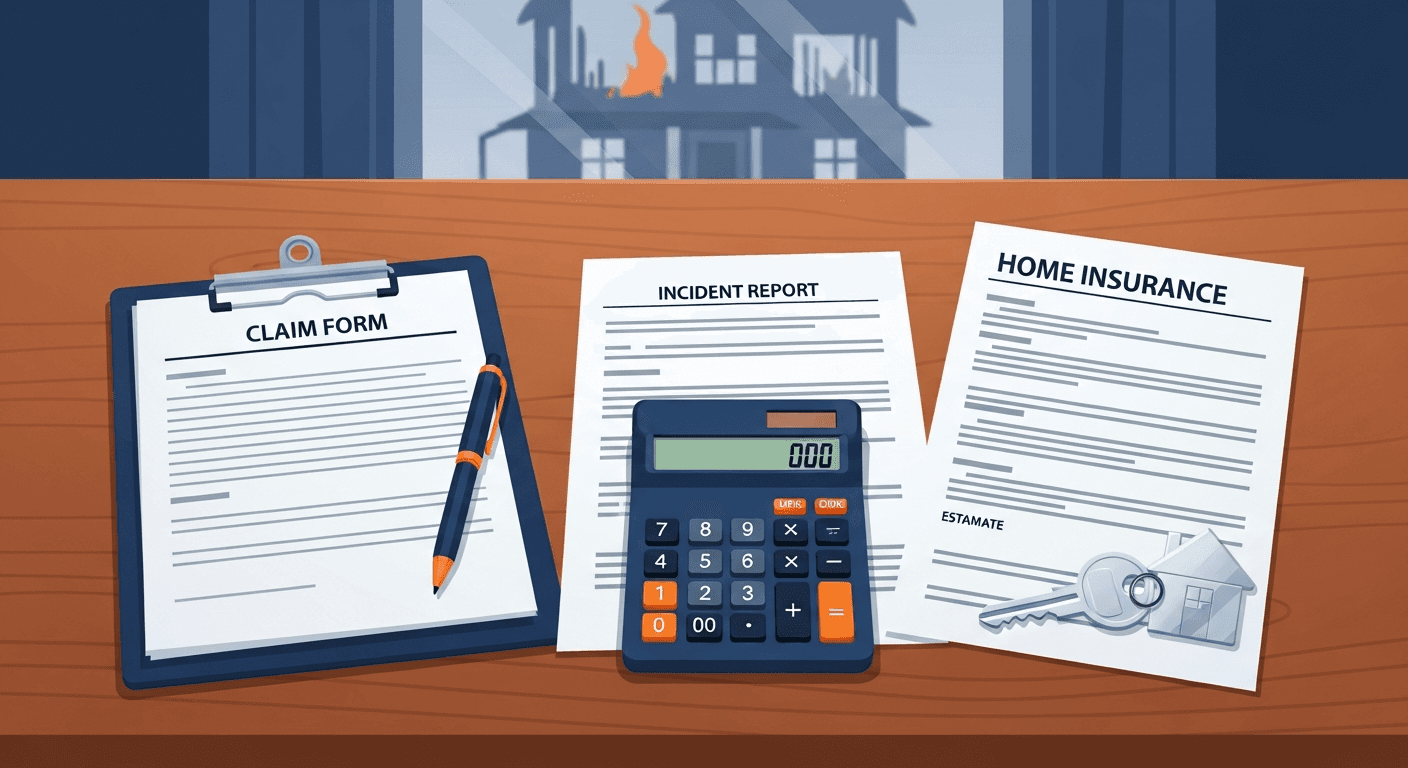
Step 5: Document Everything for Your Insurance Claim
Before any cleanup begins, document the damage thoroughly — this protects your claim. From a safe vantage point, photograph and video the tree, the point of impact, the roofline, and any interior damage you can see without entering an unsafe area.
- Capture wide shots that show the whole scene and close-ups of specific damage
- Photograph any damaged vehicles, fences, or outbuildings the tree also hit
- Note the date and time, and save any weather alerts from that day
- Keep receipts for tarps, lodging, or anything you spend mitigating the loss
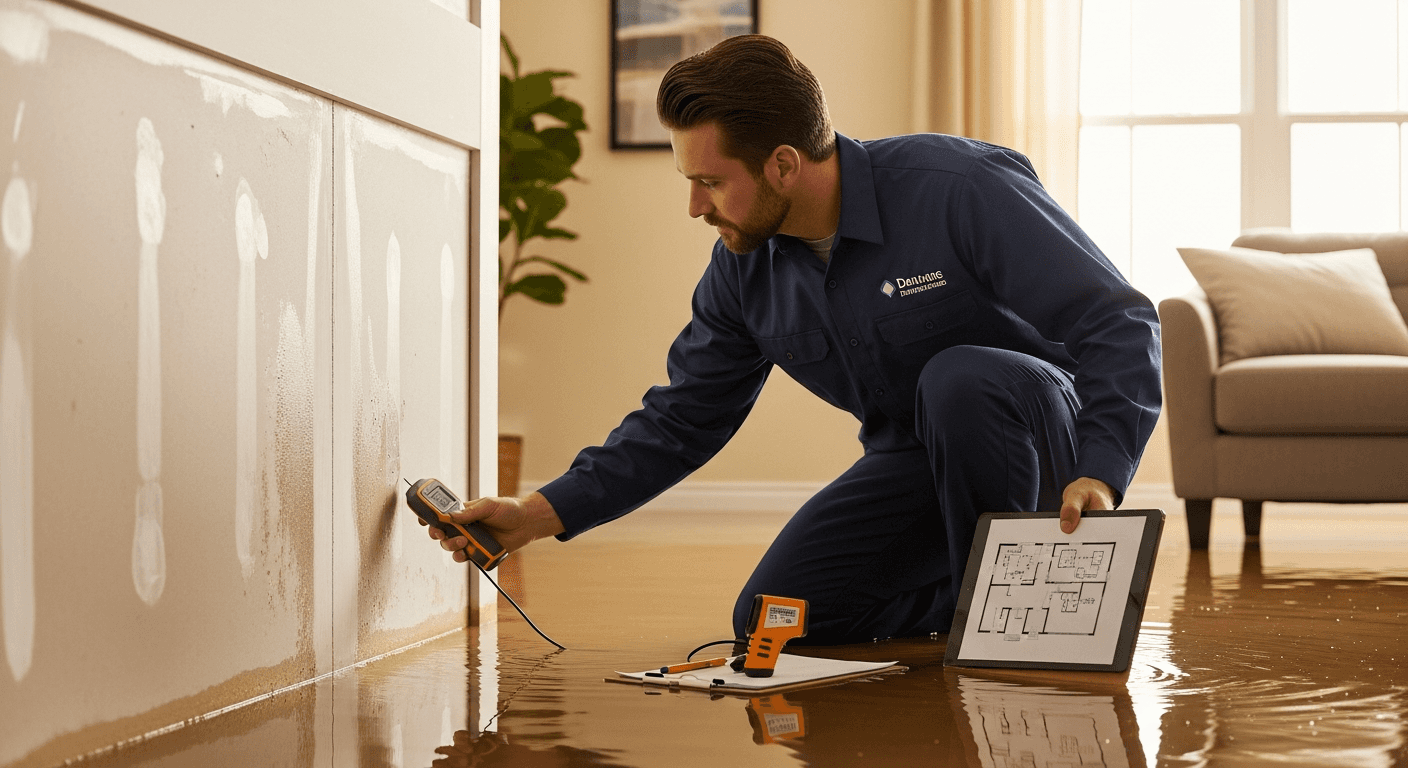
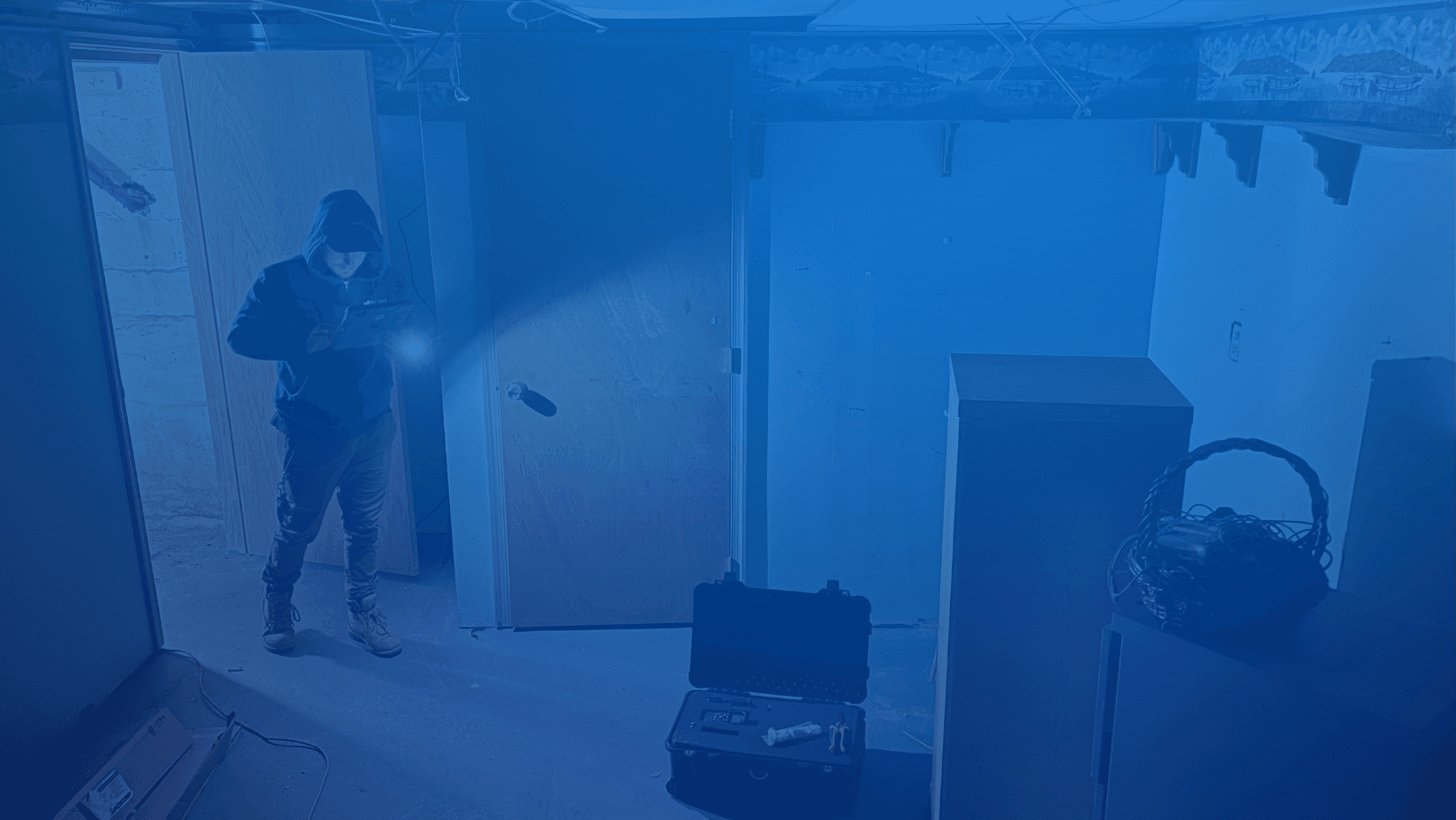
Most homeowners policies cover sudden tree-impact damage to a structure, including reasonable emergency mitigation. Our team documents moisture readings and damage in detail, to insurance standards, for your claim file — though your insurer, not the contractor, determines coverage.
What NOT to Do
A few well-intentioned reactions tend to backfire after a tree falls on a home:
- Don't climb on the roof. A damaged roof deck can give way under your weight, and wet surfaces are slick.
- Don't try to remove a large tree yourself. Stored tension in a fallen trunk can release violently when cut. Leave it to professionals.
- Don't delay covering the opening. A “quick” rain shower can soak an attic and ceilings in minutes.
- Don't throw anything away before it's documented. Even ruined items may factor into your claim.
From Emergency to Full Recovery
Once the tree is removed and the opening is secured, restoration moves into structural drying, moisture monitoring, and reconstruction of the damaged roof, ceilings, and walls. Because a tree strike usually combines impact, water, and potential mold risk, working with one team that handles the whole process keeps the recovery coordinated and your documentation consistent for the claim.
Bulldog Cleaning & Restoration serves homeowners throughout Bucks, Montgomery, Philadelphia, Chester, and Delaware counties, plus South Jersey, 24 hours a day. If a tree has damaged your home, call (267) 982-5504 or reach us through our contact page right away.