Filing a Fire Damage Insurance Claim: A Homeowner's Step-by-Step Guide
A fire insurance claim moves fast and involves big decisions under stress. This step-by-step guide helps Pennsylvania and New Jersey homeowners document the loss, work with the adjuster, and avoid common mistakes.
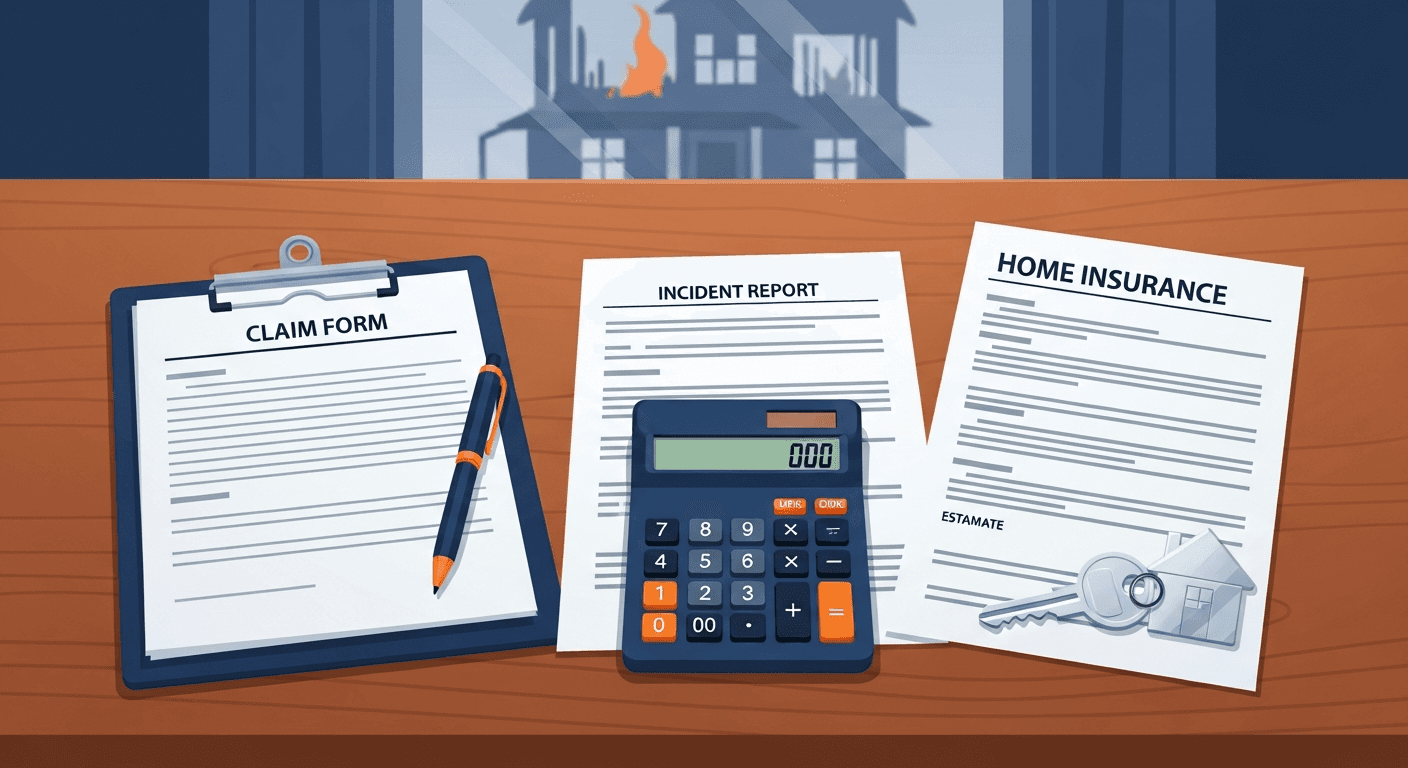
A Fire Claim Is a Process — Not a Single Phone Call
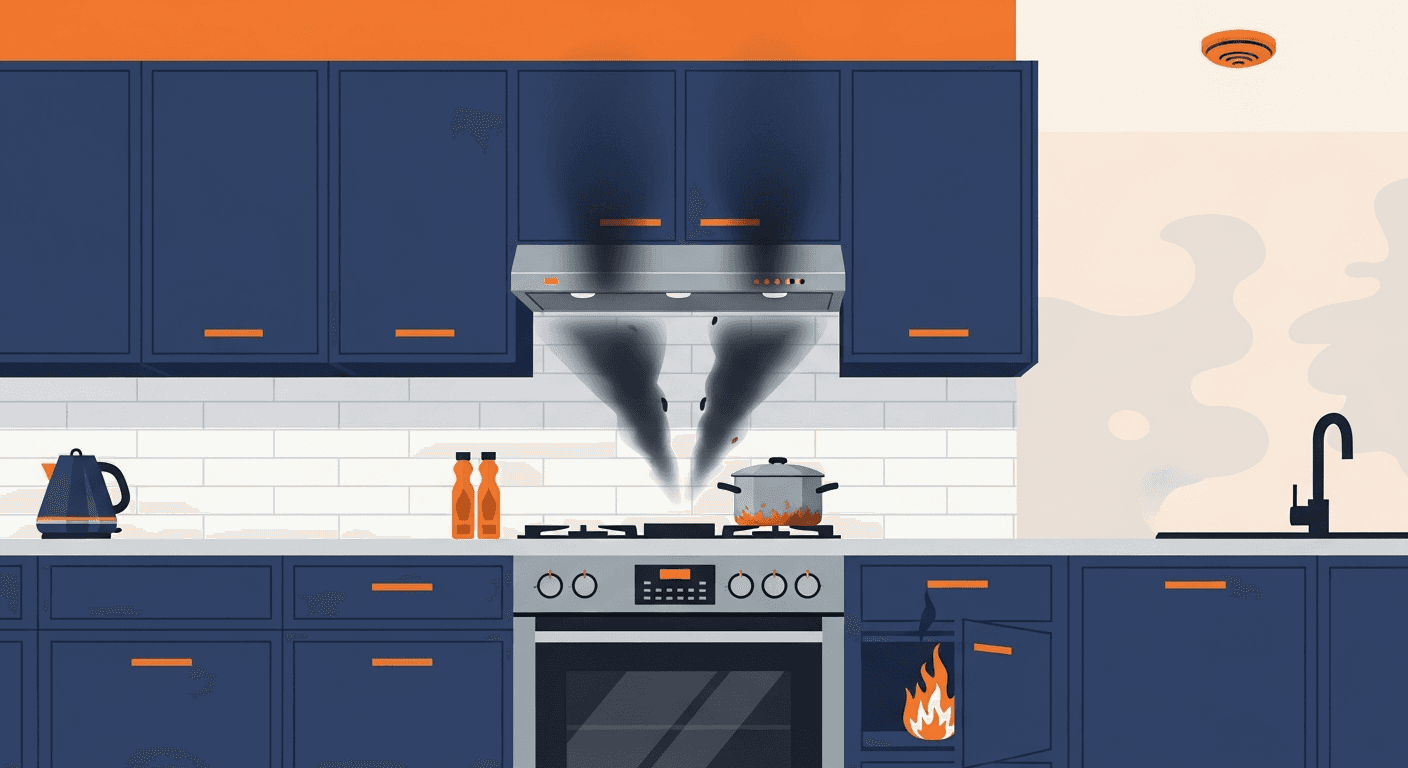
In the days after a fire, homeowners face a flood of decisions while they're still processing the shock of the event. The insurance claim is one of the most consequential, and handling it carefully can mean the difference between a smooth recovery and months of frustration. This step-by-step guide explains how a fire damage claim typically works in Pennsylvania and New Jersey, and how to give yourself the best chance of a fair outcome.
Step 1: Make Sure the Property Is Safe and Secured
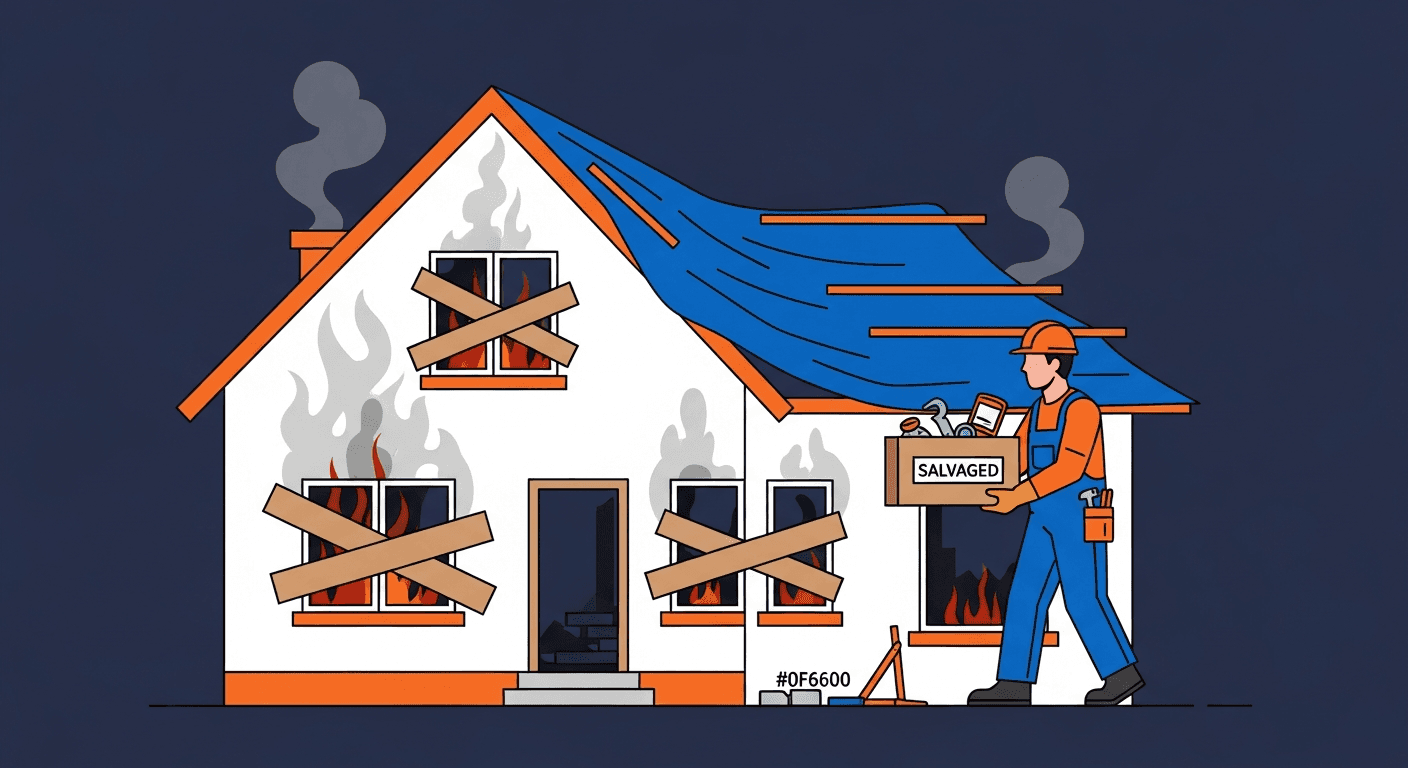
Your first obligation after a fire — and your insurer's expectation — is to prevent further loss once it's safe to do so. A fire-damaged home is often left with broken windows, open walls, and a compromised roof, all of which invite weather damage, theft, and additional deterioration. Professional emergency board-up and tarping secures the structure and shows the carrier you mitigated further loss, which protects your claim. Don't enter unsafe areas until the fire department or a professional has cleared them.
Step 2: Report the Claim Promptly
Contact your insurance company as soon as you reasonably can to open the claim. Have your policy number ready and write down the claim number, the adjuster's name, and contact details. Ask two key questions early: what your policy provides for additional living expenses (temporary housing and related costs while your home is uninhabitable), and what the deadlines are for submitting documentation. Keep a dedicated notebook or folder for every conversation and date.
Step 3: Document the Loss Thoroughly
Documentation is the foundation of a well-paid claim. Before any cleanup or repairs begin, capture the damage in detail:
- Photograph and video every affected room from multiple angles, plus the exterior
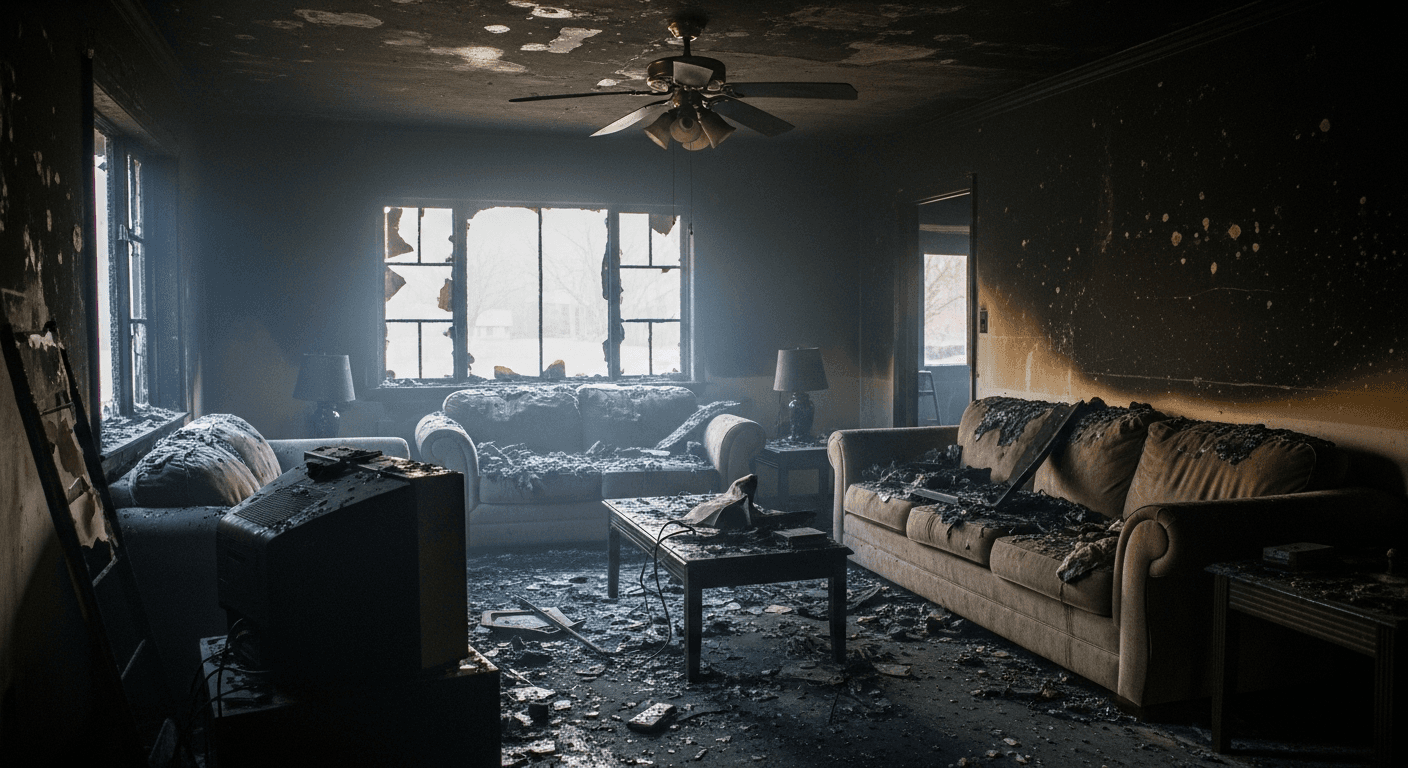
- Record structural damage, smoke and soot staining, and water damage from firefighting
- Build an inventory of damaged belongings — descriptions, approximate age, and value where possible
- Locate receipts, manuals, or photos that establish ownership and value of higher-value items
- Keep receipts for everything you spend as a result of the fire, including lodging and supplies
Do not throw damaged items away until they've been documented and the adjuster has had the opportunity to review them. Even items that look like a total loss can matter to your settlement.
Step 4: Understand the Adjuster's Role
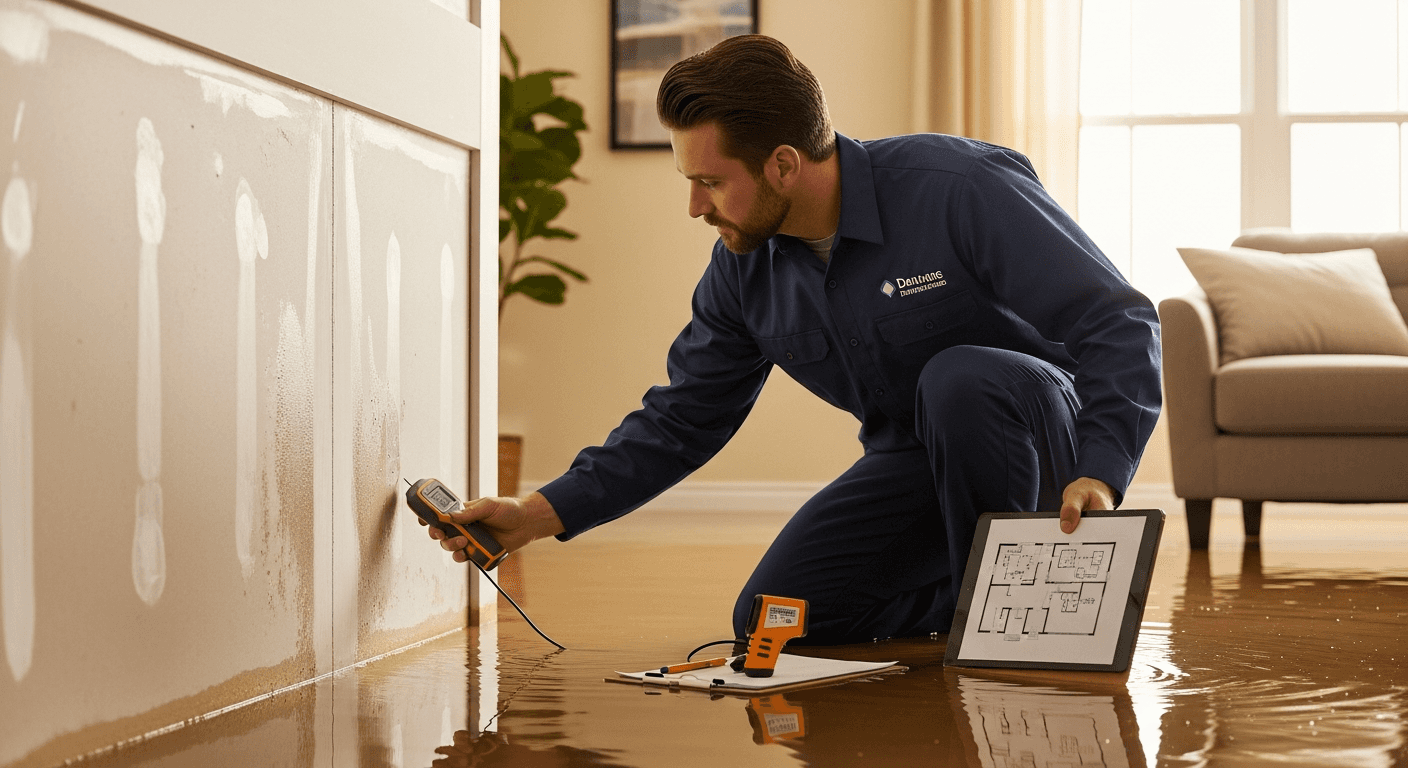
The insurance adjuster inspects the damage and estimates what the carrier will pay under your policy. It helps to be prepared and present for that inspection: walk through with your documentation, point out damage that isn't obvious (smoke that reached other rooms, water behind walls), and ask questions about anything you don't understand. A reputable restoration contractor can meet with the adjuster, provide detailed scope and moisture documentation, and advocate for a complete assessment of the loss. For more on this, see our guides tagged insurance adjuster.
Step 5: Get a Professional Restoration Assessment
An independent, detailed assessment from a certified restoration company gives you a clear picture of the true scope of work — structural cleaning, smoke and odor removal, content restoration, and reconstruction. This is valuable because the first estimate doesn't always capture hidden damage, and a thorough scope helps ensure the claim reflects everything the fire actually affected. Learn what full recovery involves in our complete fire damage restoration guide.
Replacement Cost vs. Actual Cash Value
One policy detail has an outsized effect on what you're paid, so it's worth understanding before you settle. Actual cash value (ACV) reimburses what your damaged property was worth at the time of the loss — its replacement cost minus depreciation for age and wear. Replacement cost value (RCV) pays what it costs to replace the item with a new equivalent today. Many policies pay ACV up front and then release the remaining amount (“recoverable depreciation”) once you actually replace the item and submit receipts. Check which basis your policy uses for both the structure and your belongings, and ask your adjuster how to recover depreciation. Keeping replacement receipts organized is often the difference between collecting the full RCV you're entitled to and leaving money on the table.
Common Mistakes to Avoid
- Discarding items too soon. Document first; dispose later.
- Starting permanent repairs before the adjuster inspects. Emergency mitigation is expected, but full repairs can complicate the assessment.
- Under-documenting contents. Forgotten belongings are forgotten dollars.
- Losing track of expenses. Keep every receipt tied to the loss.
- Accepting an estimate you don't understand. Ask questions until the scope is clear.
How a Restoration Partner Supports Your Claim
While your insurer decides what is covered, the right restoration company makes the process smoother: securing the property, documenting the damage with professional detail, providing a clear scope of work, and coordinating directly with your adjuster. To be clear, that's claim support — we work with your carrier and on your behalf; we don't bill your insurance company directly or determine coverage.
Bulldog Cleaning & Restoration helps homeowners across Pennsylvania and New Jersey recover from fire damage 24/7. If you've had a fire, call (267) 982-5504 or visit our contact page — and ask about a free consultation to understand your next steps.