What to Do Immediately After a Pipe Burst: 9 Steps
A burst pipe can release hundreds of gallons fast. Follow these 9 steps right away to stop the water, stay safe, protect your claim, and limit the damage.
A burst pipe is one of the most stressful things that can happen in a home. Water is pouring out, it's spreading fast, and you need to act. The good news: what you do in the first 30 minutes makes a huge difference in how much damage you end up with. Here's exactly what to do, in order.
Quick Answer: The First 3 Things to Do
- Shut off your main water valve.
- Turn off electricity to the wet area if you can do it safely.
- Call a plumber and a water damage restoration company.
Then work through the rest of the steps below.
Step 1: Shut Off the Main Water Valve
Stopping the water is the single most important thing you can do. Your main shutoff valve is usually where the water line enters your house:
- Basement: on the front wall facing the street, near the water meter
- Crawl space or utility room: near the water heater or meter
- Garage: common in slab homes
- Condos and apartments: often a unit valve in a closet or under the kitchen sink
Turn a round wheel valve clockwise until it stops. For a lever valve, turn the handle so it sits crosswise to the pipe. If you can't find the valve or it won't budge, call your water utility. They can shut off water at the curb.
Tip: Find your shutoff valve today, before you need it, and make sure everyone in the house knows where it is.
Step 2: Turn Off Electricity to Wet Areas (Only If It's Safe)
Water and electricity are a dangerous combination. If water is near outlets, power strips, appliances, or light fixtures, turn off those circuits at the breaker panel. Never stand in water to reach the panel. If the panel is in a wet area or you're not sure, stay out of the water and call your electric utility or an electrician.
Also stay out from under any ceiling that is sagging or bulging with water. It can come down without warning.
Step 3: Drain the Pipes and Turn Off the Water Heater
Even with the main shut off, there's still water in your pipes. Open the lowest faucets in the house (a basement sink or outdoor spigot) and flush toilets to drain what's left. This takes pressure off the broken pipe.
Turn off your water heater too, so it doesn't keep heating with no water coming in. For gas heaters, set the control to "pilot" or "off." For electric heaters, turn off the breaker.
Step 4: Document Everything Before You Clean Up
Before you move anything, take photos and video of:
- The burst pipe itself
- Standing water and wet floors, walls, and ceilings
- Damaged furniture, rugs, electronics, and belongings
This record is valuable for your insurance claim. Keep damaged items (or clear photos of them) until your adjuster says you can throw them out, and save receipts for anything you buy, like fans, towels, or a hotel stay. Here's more on how water damage is documented for insurance.
Step 5: Call a Plumber and a Restoration Company
You'll likely need two different pros:
- A plumber repairs the broken pipe so you can turn your water back on.
- A water damage restoration company removes the water, finds where it spread, and dries your home's structure properly.
Call the restoration company right away, even before the plumber arrives. Extraction and drying can start while the pipe is still being fixed. Bulldog Cleaning & Restoration answers 24/7 and aims to be on site within about 60 minutes across our Pennsylvania and South Jersey service areas.
Step 6: Protect Your Belongings
- Move furniture, electronics, and valuables out of wet areas.
- Pick up area rugs, which can bleed dye onto carpet and trap water underneath.
- Put aluminum foil or plastic under furniture legs to keep wood from wicking up water and staining carpet.
- Get books, papers, photos, and clothing off the floor.
Step 7: Remove What Water You Safely Can
Mop up standing water on hard floors and use towels to soak up puddles. A wet/dry shop vac works for small amounts. Never use a regular household vacuum on water. Open cabinet doors under sinks so the inside can breathe.
Don't try to pull up wall-to-wall carpet, cut drywall, or tear out flooring yourself. Materials that look ruined can often be dried in place, and removing them unnecessarily can raise your costs and complicate your claim.
Step 8: Call Your Insurance Company
Report the loss as soon as you can. Most homeowners policies cover damage from a pipe that bursts suddenly and accidentally, though the repair of the pipe itself usually isn't covered. Damage from a slow, long-term leak typically isn't covered. Ask your insurer:
- What your deductible is
- Whether you have coverage for temporary housing if you need to leave the home
- How they want photos and receipts submitted
You have the right to choose your own restoration company. A good one will work directly with your adjuster. Curious about cost? See how much water damage restoration costs.
Step 9: Start Drying Within 24 to 48 Hours
The EPA recommends drying water-damaged materials within 24 to 48 hours to help prevent mold growth. Fans and an open window help a little, but they can't dry the inside of a wall, the subfloor under your carpet, or the insulation in a ceiling. That hidden moisture is what causes mold, odors, and warped floors weeks later.
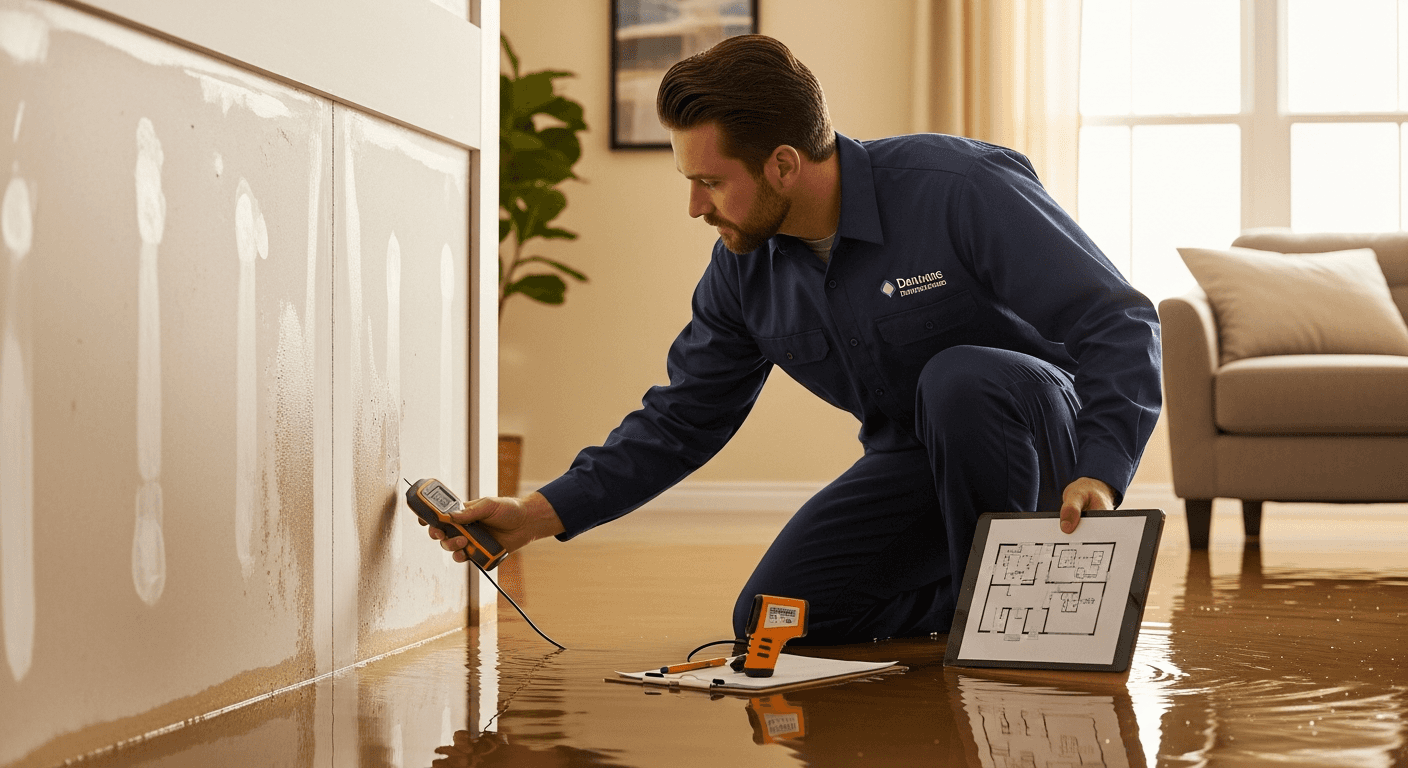
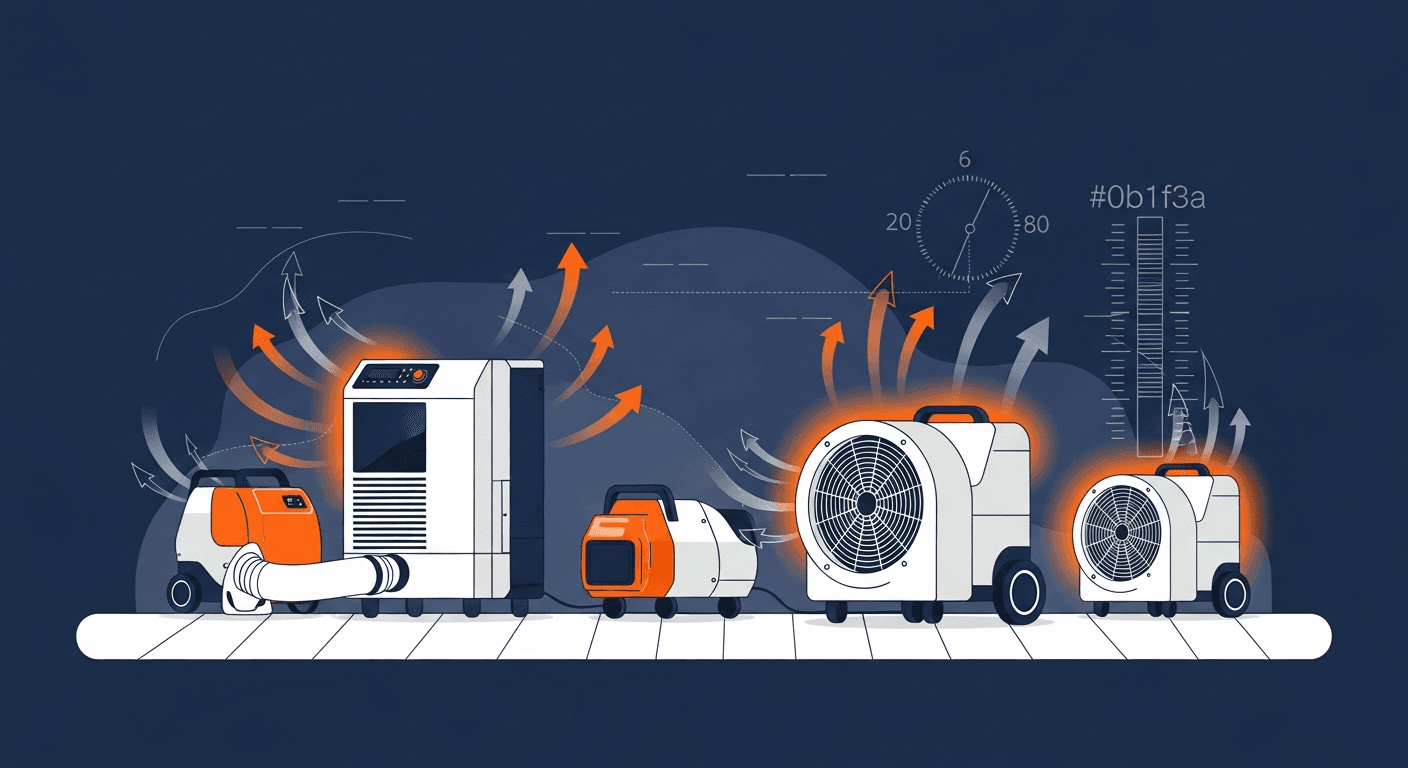
Professional drying uses moisture meters and thermal imaging to find all of the water, then commercial air movers and dehumidifiers to dry it. Daily readings confirm when materials are actually dry, not just dry to the touch. If you're wondering how long that takes, here's our water damage cleanup timeline.
What NOT to Do After a Pipe Bursts
- Don't turn the water back on until the pipe is repaired.
- Don't use electrical appliances while standing on wet carpet or floors.
- Don't ignore a wet ceiling or wall just because the surface dries. Water inside can stay for weeks.
- Don't paint over water stains until the material behind them has been tested and is dry.
- Don't throw out damaged belongings before your insurer has seen them or approved disposal.
If the Pipe Is Frozen, Not Burst (Yet)
In Philadelphia, Bucks County, and South Jersey, most burst pipes happen during cold snaps. Signs of a frozen pipe include little or no water from a faucet, frost on an exposed pipe, or a bulge in the pipe. If you suspect one:
- Open the faucet so water can flow as the ice melts.
- Warm the pipe gently with a hair dryer, heating pad, or space heater kept a safe distance away. Never use an open flame or torch.
- Know where your main shutoff is. Pipes often start leaking as they thaw, because the crack formed while frozen.
How to prevent frozen pipes
- Keep your thermostat at 55°F or higher, even when you're away.
- Let faucets on outside walls drip during very cold nights.
- Open sink cabinet doors so warm air reaches the pipes.
- Insulate pipes in unheated areas like crawl spaces, garages, and attics.
- Disconnect garden hoses and shut off outdoor spigots before winter.
Frequently Asked Questions
Who should I call first, a plumber or a restoration company?
Shut off the water first, then call both. If you can only make one call right away, call the restoration company. They can start removing water while you wait for the plumber, and many plumbers and restoration companies work together.
How quickly can mold grow after a pipe bursts?
Mold can begin growing within 24 to 48 hours on wet materials, which is why fast drying matters. If you already see or smell mold, learn about our mold remediation and mold testing.
Can I stay in my house after a pipe bursts?
Often, yes, if the damage is limited and the power is safe. If a large area is affected, the water is contaminated (for example, a broken drain or sewer line, which calls for sewage cleanup), or you're without water or power, a short stay elsewhere may be safer. Ask your insurer about additional living expense coverage.
How do I know if water got inside my walls?
Look for bubbling paint, soft or stained drywall, a musty smell, or warped baseboards. Often there are no visible signs at all, which is why professionals use moisture meters. Here are the signs of hidden water damage to watch for.
Burst Pipe? We're Available 24/7
Bulldog Cleaning & Restoration is IICRC certified and handles burst pipe cleanup from the first call through drying and repairs. We serve Bucks County, Montgomery County, Philadelphia, and South Jersey. Call us in Pennsylvania at (267) 982-5504, in New Jersey at (609) 952-0142, or contact us online. For a broader checklist, see what to do after water damage.