How Long Does Water Damage Cleanup Take? A Real Timeline
Water removal takes hours, drying usually takes several days, and repairs can take days to weeks. Here's a phase-by-phase timeline and what speeds it up.

If you're dealing with water damage, you want to know one thing: when will my home be back to normal? The answer depends on how much water there was, what it soaked into, and how much has to be rebuilt. This guide walks through each phase of water damage cleanup, how long it typically takes, and what can make it faster or slower.
The Short Answer
- Water removal: usually a few hours, often the same day you call
- Drying: commonly about 3 to 5 days, sometimes longer for dense materials
- Repairs: anywhere from a few days to several weeks, depending on what was removed
A small clean-water leak in one room may be dried and wrapped up in about a week. A large loss, such as a finished basement flooded with sewage, can take several weeks or more from start to finish.
Water Damage Cleanup Timeline, Phase by Phase
| Phase | What happens | Typical time |
|---|---|---|
| 1. Emergency response | You call, a crew is dispatched | Within about an hour |
| 2. Inspection | Find the source, map moisture, document for insurance | First visit |
| 3. Water extraction | Remove standing water from floors and carpet | A few hours |
| 4. Tear-out | Remove materials that can't be dried or are contaminated | Same day to day 2 |
| 5. Structural drying | Air movers and dehumidifiers run, readings taken daily | Commonly 3 to 5 days |
| 6. Reconstruction | Drywall, paint, trim, flooring, cabinets | Days to weeks |
Phase 1: Emergency response
Water damage doesn't wait for business hours. Bulldog Cleaning & Restoration answers 24/7 and aims to be on site within about 60 minutes across our Pennsylvania and South Jersey service areas. If the water is still running, shut off your main valve first. Here's what to do immediately after a pipe burst.
Phase 2: Inspection and moisture mapping
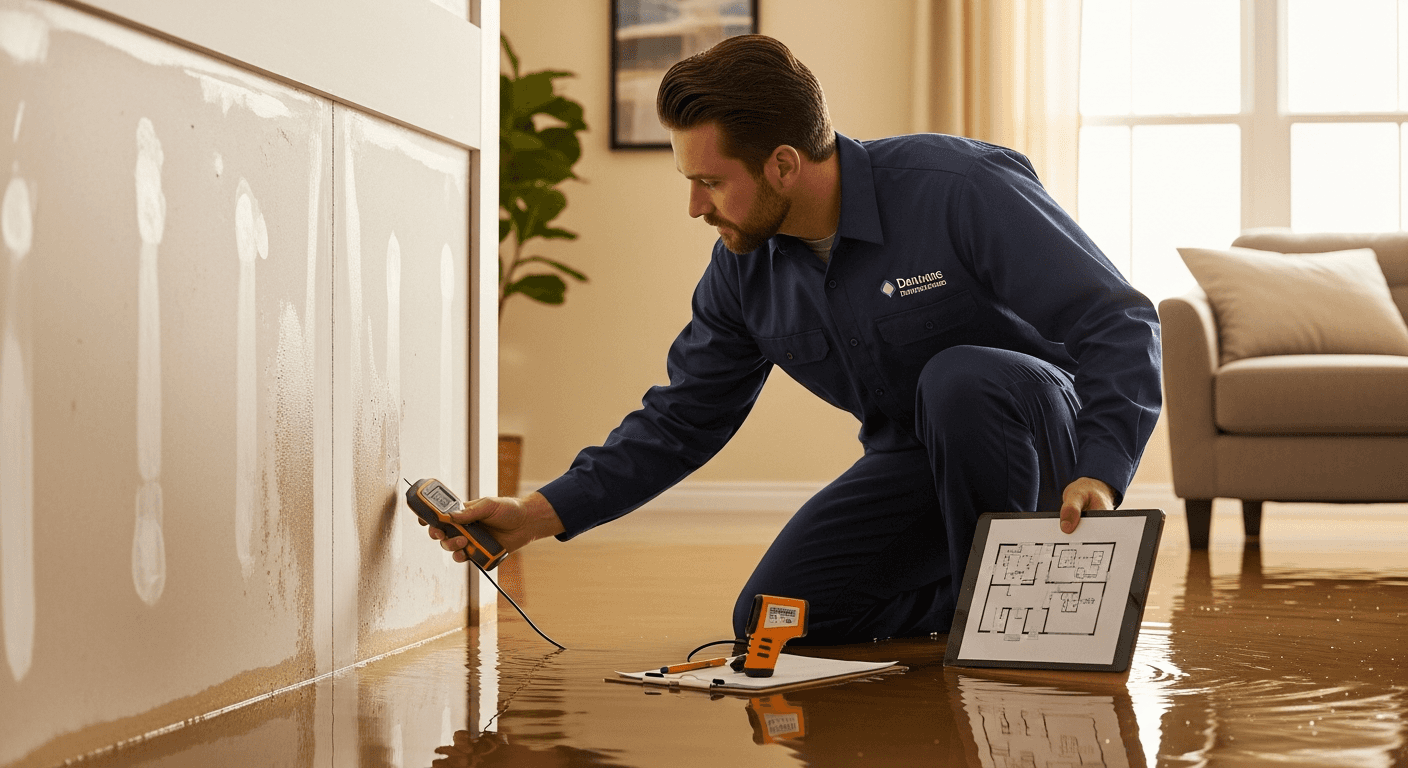
Before any drying starts, the crew needs to know where the water went. Water travels under flooring, wicks up drywall, and seeps into neighboring rooms. Using moisture meters and thermal imaging cameras, technicians map the wet areas, take readings, and photograph everything for your insurance claim. Read more about how we document water damage.
Phase 3: Water extraction
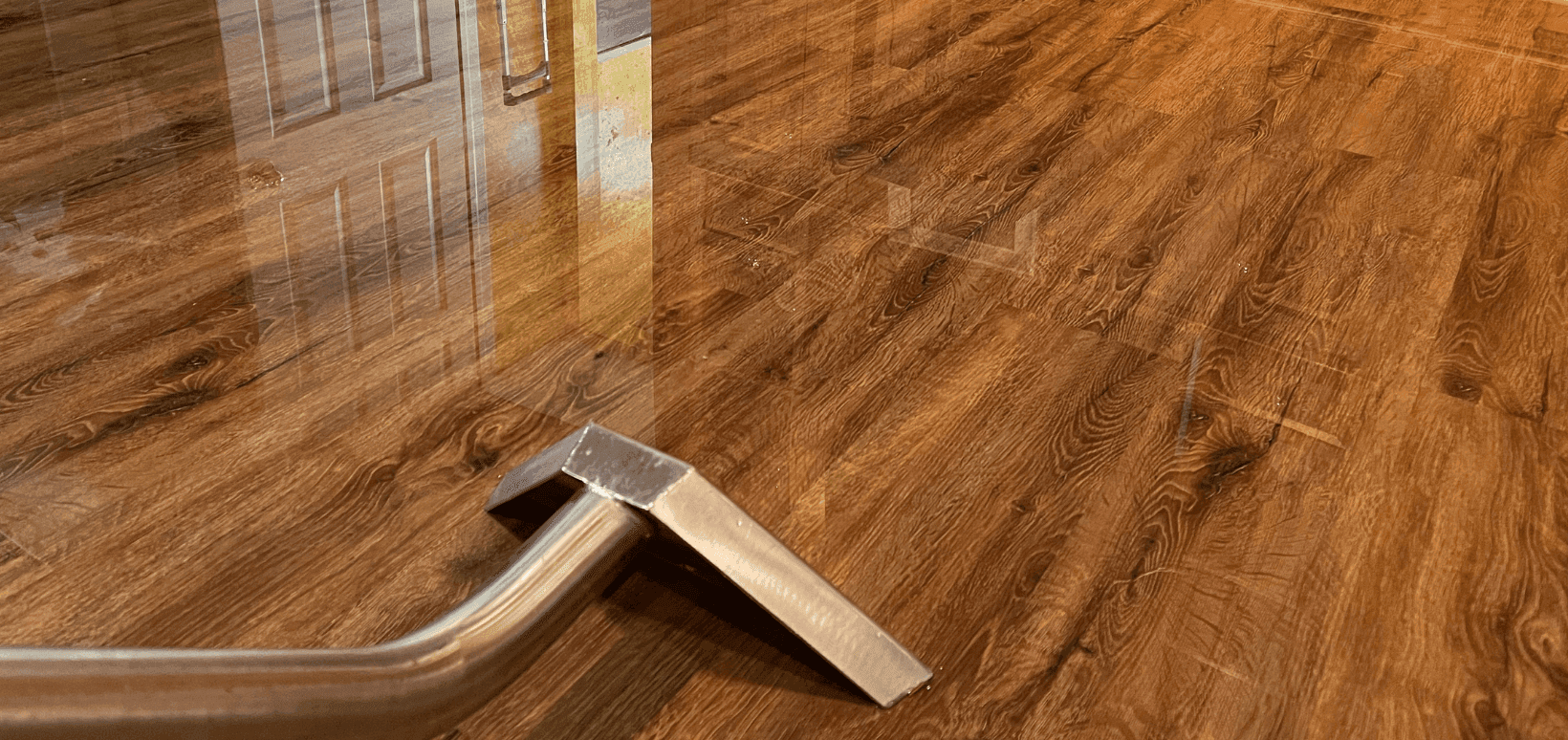
Commercial extraction equipment pulls standing water out of floors and carpet. This is the fastest way to speed up drying, since removing water as liquid is far quicker than evaporating it. For most homes this takes a few hours.
Phase 4: Removing damaged materials
Some materials can be dried in place, and some can't. Wet carpet pad, saturated insulation, swollen particleboard, and anything touched by sewage usually has to go. Drywall is often saved if drying starts quickly. A small cut along the bottom of the wall (called a flood cut) or small holes drilled behind the baseboard let air reach the wall cavity.
Phase 5: Structural drying
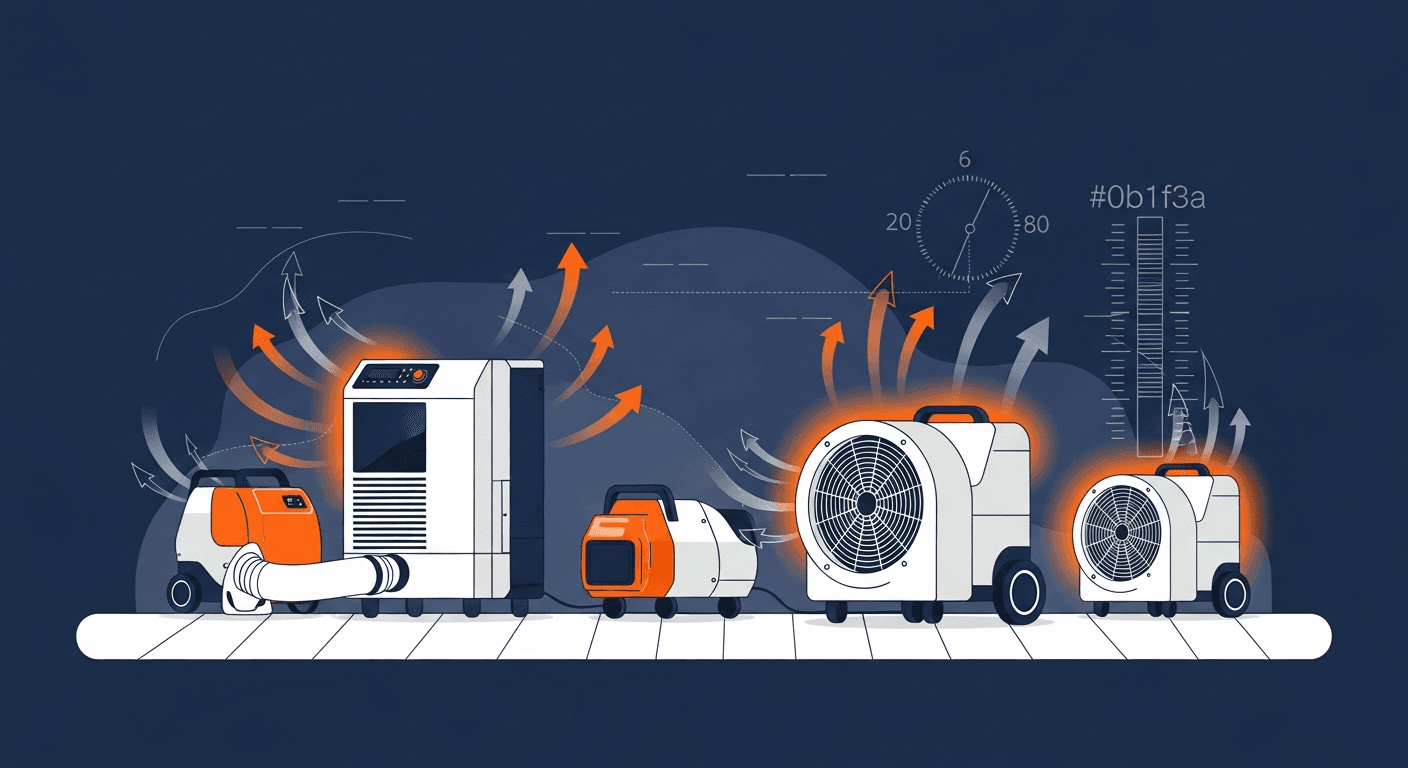
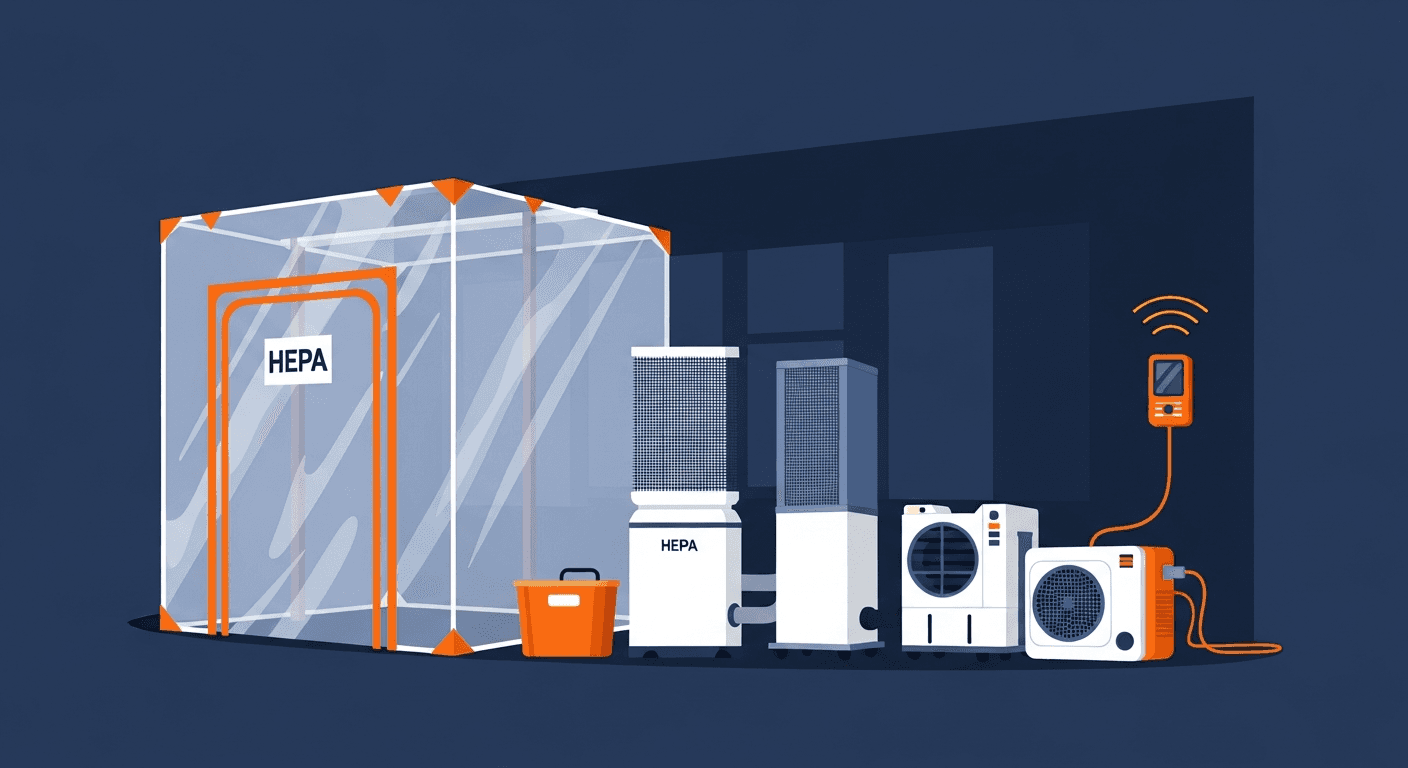
This is the longest part of cleanup. Commercial air movers move air across wet surfaces, and dehumidifiers pull that moisture out of the air. For hard-to-reach spots, specialty systems push dry air directly into wall cavities, under cabinets, or beneath hardwood floors.
Many clean-water losses reach their drying goals in roughly 3 to 5 days, but the real answer is: drying is done when the readings say it's done, not when the calendar says so. Under the IICRC S500 standard, technicians set a drying goal based on readings from unaffected areas of your home, then take readings every day until wet materials match that goal. Learn more about water categories, classes, and drying science.
Phase 6: Reconstruction
Once everything is confirmed dry, rebuilding can begin: hanging and finishing drywall, painting, installing trim, and replacing flooring or cabinets. A few sheets of drywall and paint can take a few days. Replacing kitchen cabinets or hardwood across several rooms can take a few weeks, especially when materials need to be ordered. Bulldog handles reconstruction too, so you don't have to find a second contractor.
What Makes Water Damage Cleanup Take Longer?
The type of water
Clean water from a supply line is the fastest to deal with. Gray water from a washing machine, and especially black water from a sewage backup or outside flooding, means more materials must be removed and more cleaning and disinfecting before drying and rebuilding.
What got wet
Drywall and carpet dry relatively quickly. Hardwood floors, plaster walls, and concrete hold water deeply and dry slowly. These slower-drying situations are called Class 4 losses and can add days to the drying phase.
How long the water sat
Water that sits for a day or more soaks deeper and can start growing mold. If mold shows up, mold remediation has to happen before rebuilding.
Insurance approvals and materials
Reconstruction usually waits on your insurance company approving the repair estimate. Special-order flooring, cabinets, or countertops can add weeks. Choosing replacement materials early helps keep things moving.
Humidity and weather
Humid summer weather in the Philadelphia area can slow drying if the space isn't closed up and controlled. That's one reason professionals manage the drying environment with dehumidifiers and readings instead of relying on open windows.
How to Speed Up Water Damage Cleanup
- Call immediately. The sooner drying starts, the more materials can be saved and the shorter the rebuild.
- Keep the equipment running. Air movers are loud, but turning them off overnight adds time.
- Keep doors and windows closed unless your technician says otherwise, so dehumidifiers work efficiently.
- Give the crew access for daily moisture readings.
- Report your claim quickly and respond to your adjuster's requests promptly.
- Pick replacement materials early if flooring or cabinets need replacing.
Why Rushing Drying Is a Costly Mistake
Drywall can feel dry to the touch while the inside of the wall is still wet. Closing up walls or laying new flooring over damp materials traps moisture, and that can lead to mold, musty odors, buckled floors, and peeling paint months later. By then, insurance may treat it as a separate, gradual problem. Confirming dryness with moisture readings protects both your home and your claim. Watch for these signs of hidden water damage after any leak.
Frequently Asked Questions
How long do drying fans need to run after water damage?
Usually until moisture readings reach the drying goal, which is commonly about 3 to 5 days. Dense materials like hardwood or plaster can take longer. Your technician should check readings daily and remove equipment when it's no longer needed.
How long can water sit before it causes mold?
Mold can begin growing within 24 to 48 hours on wet materials. That's why the EPA recommends drying water-damaged areas within that window.
Can I stay in my home during water damage cleanup?
In many cases, yes. Drying equipment is noisy but safe to live around. If the water is contaminated, a large part of the home is affected, or you have no working kitchen or bathroom, a short stay elsewhere may make more sense. Ask your insurer whether your policy covers additional living expenses.
Does a longer cleanup cost more?
Generally, yes. Equipment is billed by the day, and delays that let water soak deeper mean more materials to replace. See our guide on how much water damage restoration costs.
Get Drying Started Today
The fastest way to shorten your timeline is to start right now. Bulldog Cleaning & Restoration is IICRC certified and available 24/7 for water damage restoration across Bucks County, Montgomery County, Philadelphia, and South Jersey. Call us in Pennsylvania at (267) 982-5504, in New Jersey at (609) 952-0142, or contact us online.