Nor'easter Damage: How to Protect Your Home and Recover Afterward
Nor'easters batter the Mid-Atlantic with days of wind, rain, and coastal flooding. Here's how to harden your home before one hits and what to do when wind and water find their way in.
What Makes a Nor'easter So Damaging
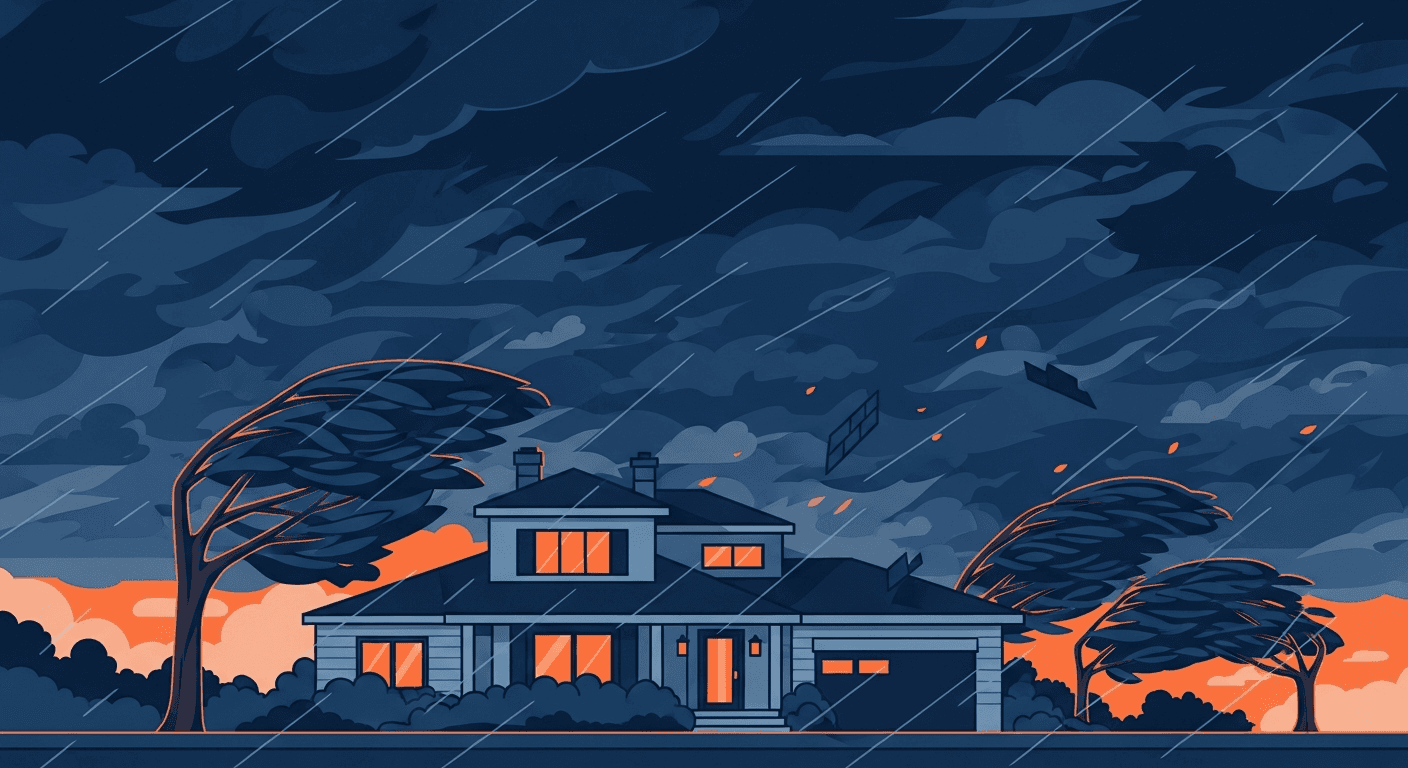
Hurricanes get the headlines, but in the Greater Philadelphia and South Jersey region, Nor'easters are often the more persistent threat. These large coastal storms can stall over the Mid-Atlantic for days, pairing sustained wind with relentless rain, coastal flooding, and — in the colder months — heavy wet snow. It's that duration that does the damage: a roof that might shrug off a brief squall can fail after 36 hours of wind-driven rain working at every seam.
This guide covers both halves of Nor'easter season: hardening your home before one arrives, and responding quickly when wind and water get in.
Wind and Water: A Damaging Combination
What sets a Nor'easter apart from a quick summer thunderstorm is the relentless pairing of wind and water over a long stretch of time. Sustained wind drives rain horizontally, pushing it past flashing, under shingles, and around window seals that would easily shed a brief, vertical downpour. At the same time, hours of heavy rain saturate the ground, overwhelm storm drains, and raise the water table — which is how the same storm that lifts shingles off your roof can also push water into your basement. Coastal and tidal areas face the added threat of storm surge and flooding across multiple high-tide cycles. Because the damage arrives from several directions at once, recovery often involves the roof, the interior, and below-grade spaces together rather than a single isolated repair.
Before the Storm: Hardening Your Home
The best time to limit Nor'easter damage is before the forecast turns serious. A focused afternoon of preparation can prevent thousands of dollars in losses.
Protect the Roof and Exterior
- Have loose or missing shingles, lifted flashing, and worn roof seals addressed before the season
- Clean gutters and downspouts so heavy rain drains away instead of backing up under the roof edge
- Trim dead or overhanging limbs that wind can drive into the house
- Secure or store outdoor furniture, grills, and anything that can become a wind-borne projectile
Manage Water and Power
- Extend downspouts away from the foundation and clear yard drains
- Test your sump pump and add a battery backup ahead of expected outages
- Know your flood risk — much of the region sits near creeks, rivers, and low-lying coastal areas
- Charge devices, gather flashlights, and keep an emergency kit accessible
During the Storm: Stay Safe
Stay indoors and away from windows, especially during peak wind. Monitor NOAA Weather Radio or your phone's emergency alerts. If water begins entering the home, move valuables to higher floors and avoid contact with any wet electrical outlets or appliances. Never walk or drive through moving flood water — just a foot of moving water can sweep a vehicle away.
After the Storm: First Steps
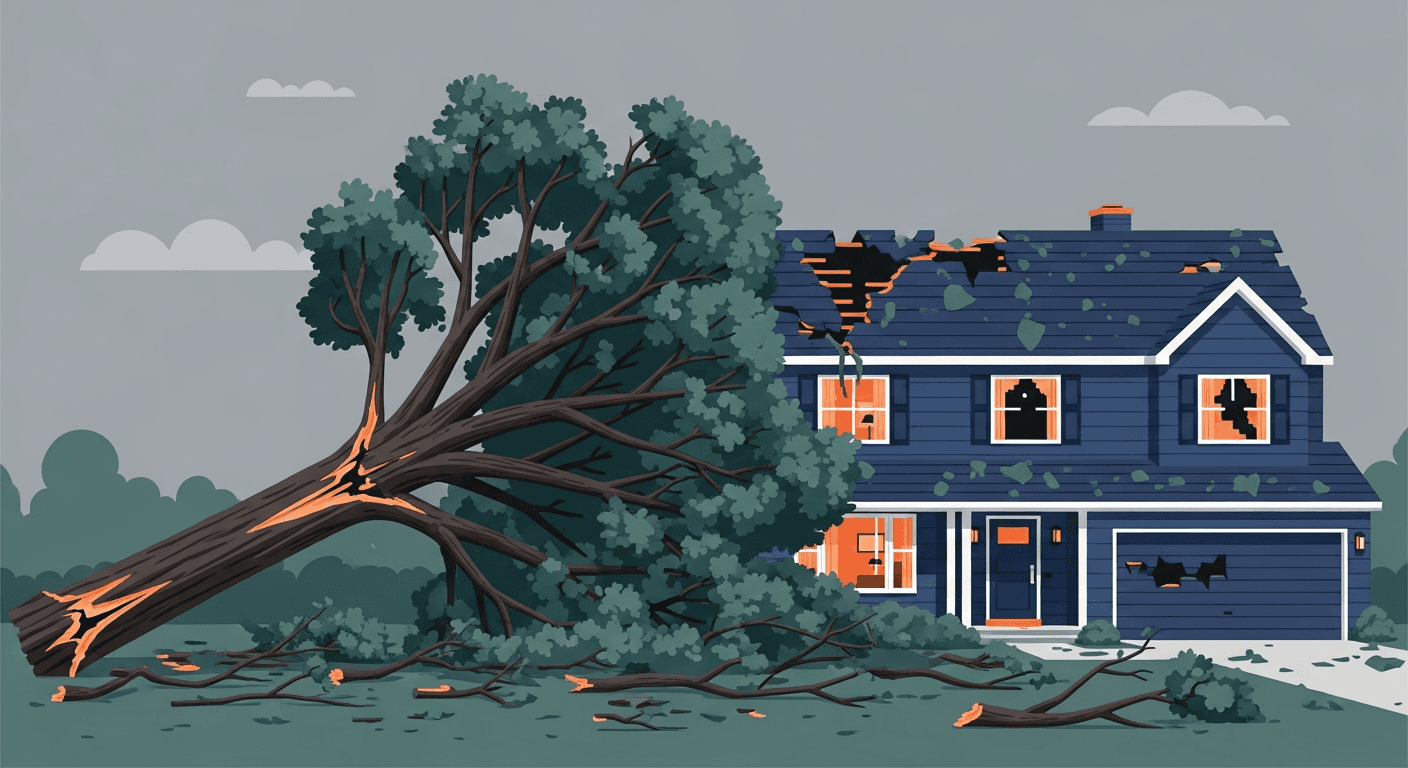
Once conditions are safe, inspect your property from the outside before re-entering, watching for downed power lines, sagging rooflines, and structural shifts. Look for the most common forms of Nor'easter damage:
- Missing shingles, damaged flashing, and wind-driven rain intrusion at the roof
- Water staining on ceilings and along exterior walls and windows
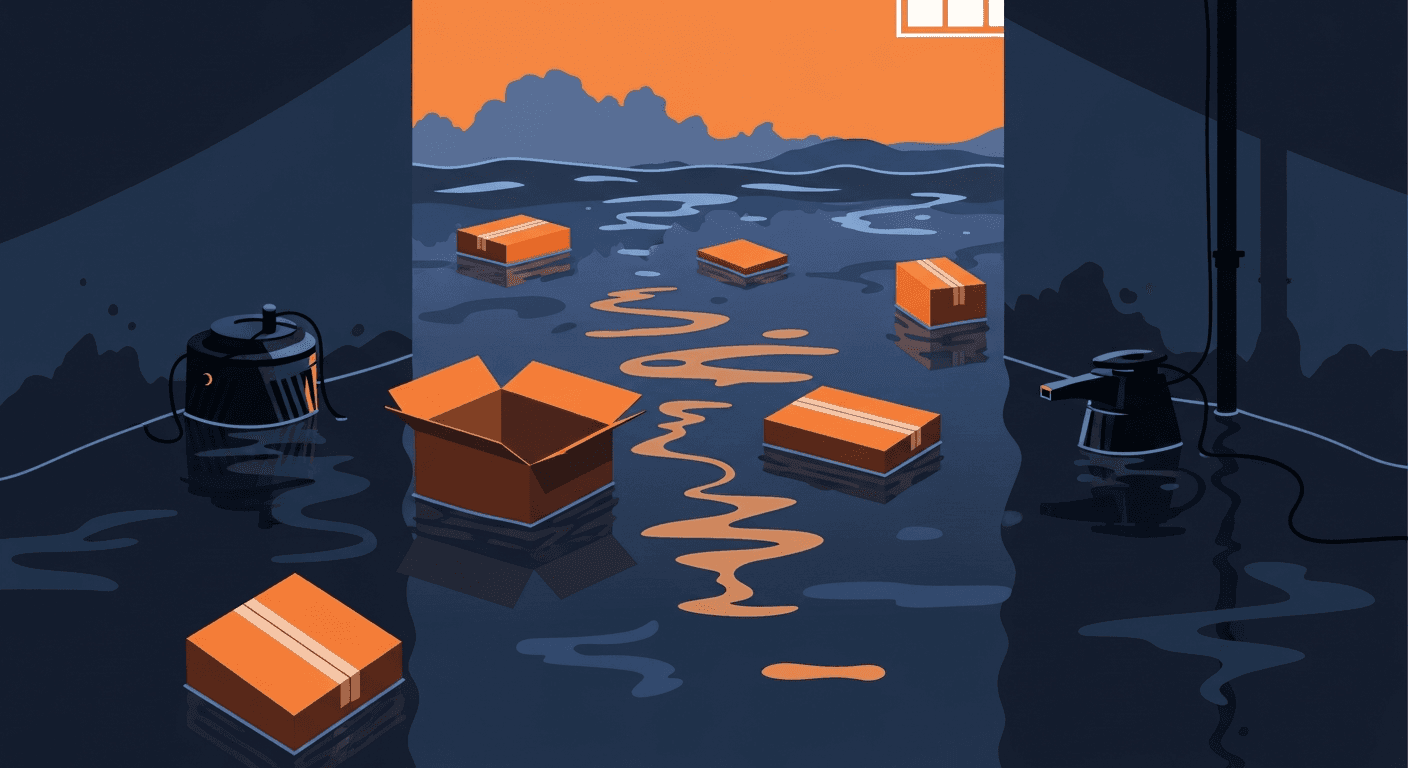
- Standing water in the basement or crawl space
- Downed limbs or trees resting against the structure
Photograph and video everything before any cleanup — this documentation is the backbone of your insurance claim. Then call Bulldog Cleaning & Restoration at (267) 982-5504 for 24/7 storm damage restoration.
Why Fast Response Limits the Damage
Wind damage and water damage compound each other. A lifted shingle lets rain into the attic; that water saturates insulation and drywall; and within 24 to 48 hours, lingering moisture can begin to support mold. Rapid emergency board-up and tarping seals openings, and prompt extraction and structural drying stop water from migrating deeper into the home. Acting quickly is also what insurers expect — policies require you to mitigate further loss once it's safe to do so.
Working Through the Insurance Claim
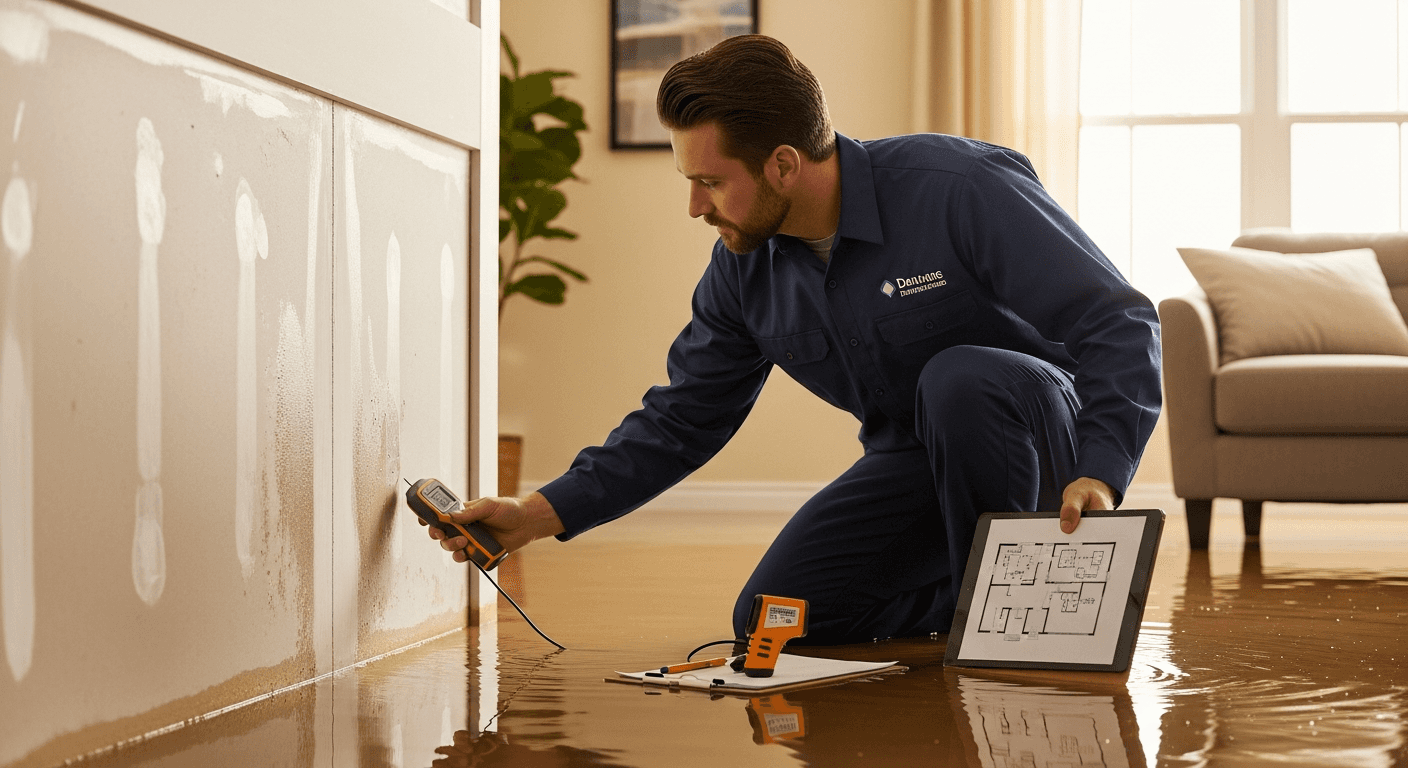
Nor'easter claims often involve both wind and water, which different parts of your policy may treat differently. Wind-driven rain damage is frequently covered under windstorm peril, while rising flood water typically requires a separate flood policy. Document the date, save weather alerts, keep receipts for emergency repairs and lodging, and don't discard damaged items until they're recorded. Our team provides detailed moisture and damage documentation to insurance standards for your claim file — your carrier makes the final coverage determination.
Recover With One Coordinated Team
Because Nor'easters tend to cause layered damage — roof, water, and mold risk together — it helps to have a single restoration team manage the whole process from emergency tarping through structural drying and reconstruction. That keeps your timeline shorter and your claim documentation consistent.
Bulldog Cleaning & Restoration serves Bucks, Montgomery, Philadelphia, Chester, and Delaware counties and South Jersey around the clock. When a Nor'easter hits your home, call (267) 982-5504 or reach us through our contact page.