Mold Toxicity, CIRS, and Indoor Air Quality: What Sensitive Individuals Should Know
Mold affects sensitive people very differently than healthy adults. Here's a plain-language look at mold toxicity, CIRS, PANS/PANDAS, immunocompromised risk, indoor air quality, and why fine-particulate cleaning of both structure and contents matters.

What People Mean by "Mold Toxicity"
"Mold toxicity" is a popular umbrella term rather than a single medical diagnosis. People usually use it to describe how the body can react to prolonged exposure to mold and the microscopic particles it releases indoors. Mold doesn't just grow as visible patches on a wall — as it grows it sheds spores, fragments of hyphae, microbial volatile organic compounds (MVOCs) that create that musty smell, and in some species, compounds called mycotoxins. All of these can become part of the dust and fine particulate that drifts through indoor air and settles onto surfaces and belongings.
For most healthy adults, low-level exposure may cause little more than occasional irritation. But for sensitive groups — people with certain chronic conditions, children, the elderly, and those with weakened immune systems — the same environment can have a much larger impact. This article explains those sensitivities in plain language and why indoor air quality and thorough cleaning matter so much. It is general information, not medical advice; anyone with health concerns should consult a qualified healthcare provider.
CIRS: Chronic Inflammatory Response Syndrome
CIRS is a condition that some clinicians associate with exposure to biotoxins, including those found in water-damaged buildings. The concept is that in genetically susceptible individuals, the immune system can struggle to clear certain biotoxins, leading to a persistent inflammatory response and a wide range of symptoms — fatigue, brain fog, headaches, and more. CIRS is still debated within the broader medical community and is not universally recognized, so diagnosis and treatment should always be guided by an experienced physician.
What is widely agreed upon is more practical: reducing a person's ongoing exposure to a water-damaged, mold-affected environment is a sensible step. You can't meaningfully address a suspected biotoxin problem while someone continues to live or work in the space that may be producing it. That's where proper assessment and remediation come in.
PANS and PANDAS in Children
PANS (Pediatric Acute-onset Neuropsychiatric Syndrome) and PANDAS (a subset linked to streptococcal infection) describe a sudden onset of neuropsychiatric symptoms in children, such as OCD-like behaviors, tics, or dramatic mood changes. These are complex, specialist-managed conditions, and infection is the most studied trigger. Some clinicians and researchers have also explored whether environmental factors — including exposure to mold and other indoor contaminants — can act as additional stressors on an already sensitized immune system in certain children.
The science here is still developing, and no one should assume mold is the cause of a child's symptoms. But because reducing a child's exposure to a mold-affected environment carries little downside, families working with their medical team often choose to have their home evaluated as one part of a broader plan.
Immunocompromised Individuals Face Higher Risk
For people whose immune systems are compromised — those undergoing chemotherapy, organ-transplant recipients, and individuals with certain autoimmune or chronic respiratory conditions — mold exposure deserves extra caution. Certain molds, such as Aspergillus, can pose a more serious risk of infection in these groups than they would for a healthy person. For a household that includes someone medically vulnerable, keeping indoor air clean and addressing water damage quickly isn't a cosmetic concern; it's part of protecting their health.
If you'd like to understand specific mold types and what they can mean, our plain-language mold dictionary breaks down common species you might hear about.
Why Indoor Air Quality Matters So Much
Most of us spend the large majority of our time indoors, which means the air inside our homes and workplaces has an outsized effect on our daily exposure. When a building has a moisture problem, the indoor air can carry an elevated load of spores and fine fragments — many far too small to see. These particles can be inhaled deep into the respiratory tract, and in sensitive people they can trigger allergy-like symptoms, respiratory irritation, and worsened asthma. Good indoor air quality is about lowering that particulate burden and correcting the moisture conditions that allow mold to grow in the first place.
Fine-Particulate Cleaning — for the Structure and the Contents
Here's a point many people miss: removing the visible mold and the materials it grew on is only half the job. By the time mold has been growing for a while, fine particulate — settled spores and microscopic fragments — has often spread well beyond the source and landed on surfaces, inside soft furnishings, and throughout stored belongings. A proper response addresses both the structure and the contents.
- Structure: HEPA vacuuming and damp-wiping of surfaces, framing, and cavities, combined with HEPA air scrubbing to capture airborne particulate during the work.
- Contents: careful evaluation, cleaning, or — where materials are porous and heavily affected — responsible removal of belongings. Hard goods can often be HEPA-vacuumed and wiped; textiles and soft items may need specialized cleaning.
- Containment: sealing off the work area and using negative air pressure so cross-contamination to clean parts of the building is minimized.
The goal is to remove the microbial growth and the fine particulate it leaves behind — not simply to paint over it or mask the smell — and to correct the underlying moisture source so the problem is far less likely to return.
When Testing Makes Sense
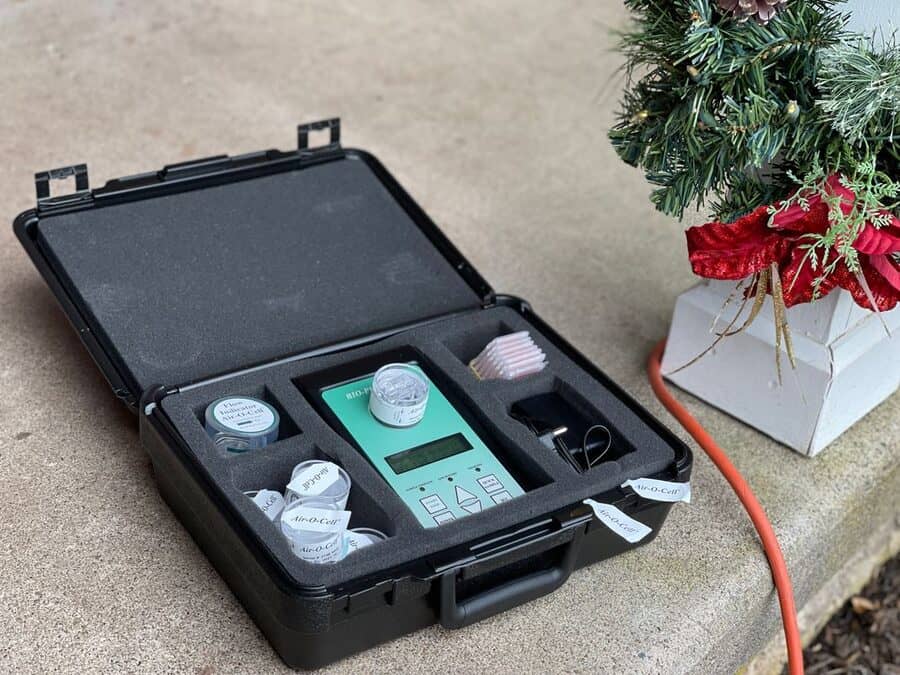
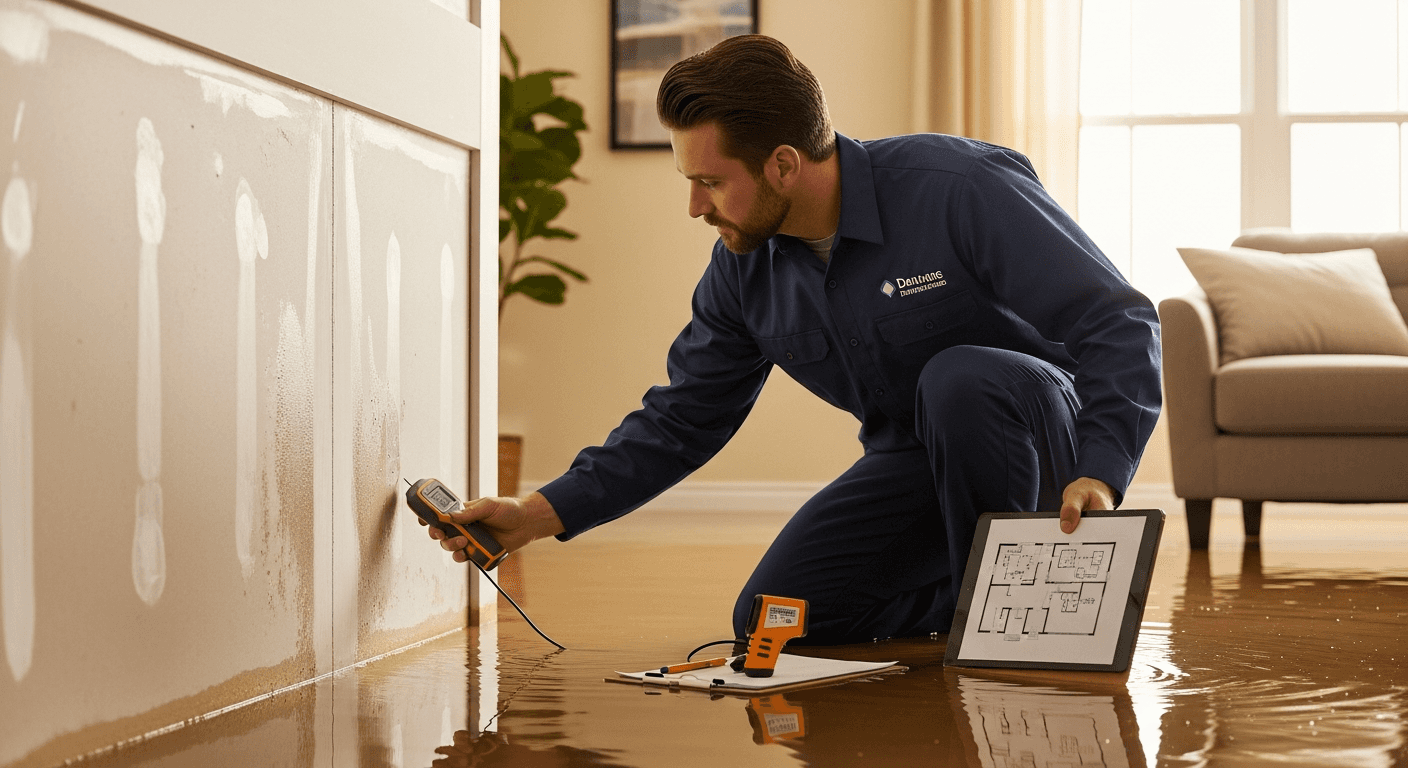
If someone in your home is sensitive or medically vulnerable, or you can smell mold but can't find it, professional assessment is worth it. Professional mold testing can help confirm whether there's an elevated indoor spore load and guide the scope of cleanup. From there, professional mold remediation follows recognized containment and air-filtration practices to address the problem safely. If you've recently had a leak or flood, our guide on preventing mold in your basement covers practical steps too.
How Bulldog Can Help
At Bulldog Cleaning & Restoration, we approach mold the way sensitive households need us to: with proper containment, HEPA filtration, careful cleaning of both structure and contents, and a focus on correcting the moisture source. If indoor air quality is a concern for your family — especially if someone is immunocompromised or managing a chronic condition — we're glad to talk it through and, where helpful, coordinate the assessment your situation calls for. For medical questions, your healthcare provider is the right partner; for the building itself, we're here when you need us.
Serving Greater Philadelphia and South Jersey, we offer an in-depth consultation to discuss your concerns. Reach us through our contact page or call (267) 982-5504.