How to Prevent Mold in Your Basement: A Homeowner's Guide
Basements are the most mold-prone space in most homes. Learn the practical, moisture-first steps that help keep mold from taking hold below grade — and when to call a professional.

Why Basements Are Ground Zero for Mold
If mold is going to appear anywhere in a home, the basement is the usual suspect. Below-grade spaces are cool, often poorly ventilated, and surrounded by soil that holds moisture — exactly the conditions mold needs. Add the Greater Philadelphia and South Jersey region's humid summers and older housing stock, and it's easy to see why so many homeowners battle that telltale musty smell. The good news: mold prevention is almost entirely about moisture control, and most of it is within your reach.
Mold doesn't grow without moisture, so the entire strategy below comes down to keeping your basement dry. Control the water, and you control the mold.
Step 1: Control Humidity
Even with no leaks, high humidity alone can be enough to support mold growth on stored items, drywall, and framing. Aim to keep basement relative humidity below about 50%.
- Run a properly sized dehumidifier through the humid months and empty or plumb it to drain
- Use an inexpensive hygrometer to actually measure humidity rather than guessing
- Improve air circulation; stagnant air in corners and closets holds moisture
- Insulate cold water pipes to stop condensation from dripping onto surfaces
Step 2: Stop Water From Getting In
Most basement moisture comes from the outside. Keeping it out is the highest-impact thing you can do:
- Manage roof runoff: clean gutters and extend downspouts several feet from the foundation
- Fix the grade: soil should slope away from the house so water doesn't pool against the walls
- Seal cracks: have foundation cracks and gaps around pipe penetrations evaluated and sealed
- Maintain your sump pump: test it regularly and add a battery backup for power outages
If your basement floods during heavy rain, that recurring water is a standing invitation for mold — our guide on basement flooding after heavy rain covers how to address it.
Step 3: Address Leaks and Spills Fast
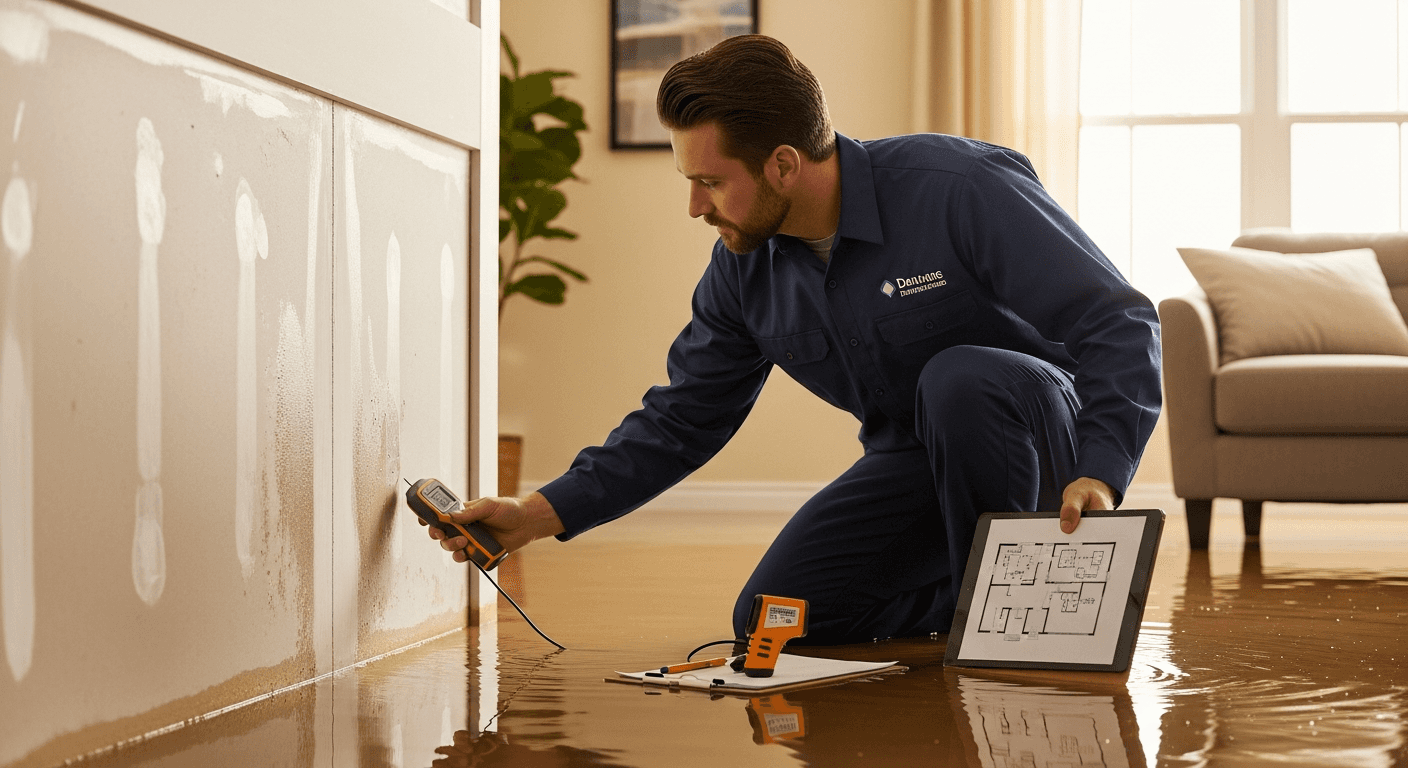
When water does appear — a leaking water heater, a failed washing machine hose, a damp spot after a storm — time is everything. Mold can begin to develop on damp materials within roughly 24 to 48 hours. Dry wet areas promptly and thoroughly, and don't just dry the surface: water that has wicked into drywall, carpet padding, or stored cardboard needs real drying, not a quick wipe. For larger water events, professional water damage restoration dries the structure properly and helps prevent mold before it starts.
Step 4: Choose Moisture-Smart Materials and Storage
How you finish and use a basement affects its mold risk. Cardboard, paper, fabric, and organic materials feed mold; sealed plastic bins and metal shelving don't. Keep stored belongings up off the floor and away from exterior walls so air can circulate. If you're finishing a basement, ask about mold-resistant drywall and inorganic insulation, and avoid wall-to-wall carpet directly on concrete in damp spaces.
Don't Overlook Ventilation
Everyday moisture generated inside the home is an underrated contributor to basement mold. A clothes dryer that isn't vented fully to the outside, an unvented bathroom, or even drying laundry on a rack can add a surprising amount of water vapor to the air over a week. Make sure dryer and bathroom exhaust ducts vent outdoors — not into the basement or a wall cavity — and run exhaust fans during and after any activity that creates moisture. If your basement feels stuffy, improving cross-ventilation on dry, low-humidity days helps; on humid days, keep windows closed and let the dehumidifier do the work, since open windows can actually add moisture. Small ventilation fixes like these often make a noticeable difference in how dry a basement stays year-round.
Signs Mold May Already Be Present
Prevention is ideal, but it helps to recognize early warning signs so you can act quickly:
- A persistent musty, earthy odor — often the first clue, even before anything is visible
- Discoloration or spotting on walls, ceiling joists, or stored items
- Recurring condensation, dampness, or water staining
- Warping or a damp feel to drywall, paneling, or baseboards
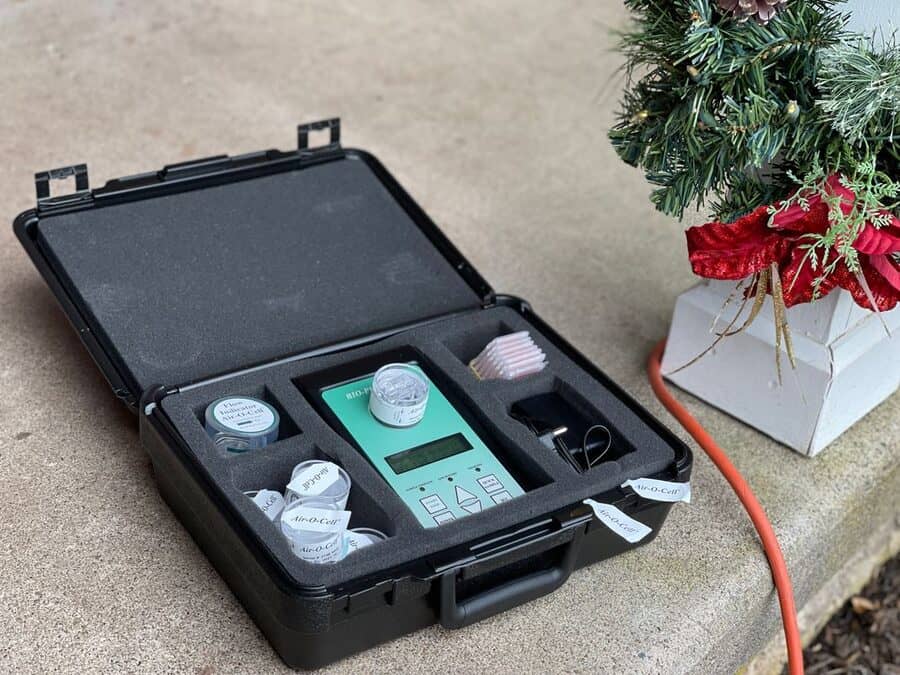
It's worth noting that exposure to mold can trigger allergy-like symptoms and respiratory irritation in some people, which is another reason not to let it linger. If you suspect growth, our guidance on professional mold testing explains when testing is genuinely useful.
When to Call a Professional
Small surface spots on a non-porous surface can sometimes be cleaned by a careful homeowner. But professional mold remediation is the right call when growth covers a larger area, keeps coming back, has spread into porous materials like drywall or insulation, or follows a flood. Professionals contain the work area to avoid spreading spores, use HEPA filtration, remove affected materials safely, and — most importantly — help correct the moisture source so the problem doesn't simply return.
Bulldog Cleaning & Restoration serves homeowners throughout Greater Philadelphia and South Jersey. If you're concerned about basement mold, call (267) 982-5504 or visit our contact page to schedule an in-depth consultation.